
 İkizderi
 Who is a leather work apron for, and what does it do in each trade? Almost everyone who works with their hands needs a work apron to carry their tools organized at the waist and to protect the front of their body — but every trade’s needs are different. A carpenter’s pockets and an electrician’s pockets, a builder’s durability expectation and a hobbyist’s expectation are not the same. In this guide we explain how a leather work apron is used in each trade — from carpenter to electrician, plumber to formworker — and show the right apron type for each. By the end, you will be able to choose the leather apron best suited to your own work and understand why genuine leather is preferred.
What Does a Leather Work Apron Do and Who Uses It?
A leather work apron lets a craftsman keep the tools they use most (nails, screws, chisels, hammer, tape measure) at waist level, within reach and organized; it also protects the front of the body against sawdust, friction and impact. It is used by everyone who works with their hands, from carpenters and electricians to builders and hobbyists.
The main purpose of a work apron is to eliminate constantly walking back and forth to the tool bag while working. When tools sit organized at the waist, the workflow speeds up, time loss drops and the craftsman focuses on the job. A genuine leather apron, with its durability to carry this load for years and its structure that shapes to the person with use, is ideal especially for professionals who work every day. Also, leather lasts far longer than canvas against sweat and friction, which makes it an investment for an entire working life. Because each trade’s tool set and way of working is different, the right apron also changes by trade. Let’s look at which trade should choose which apron, one by one below.
What Should a Leather Apron Be Like for Carpenters?
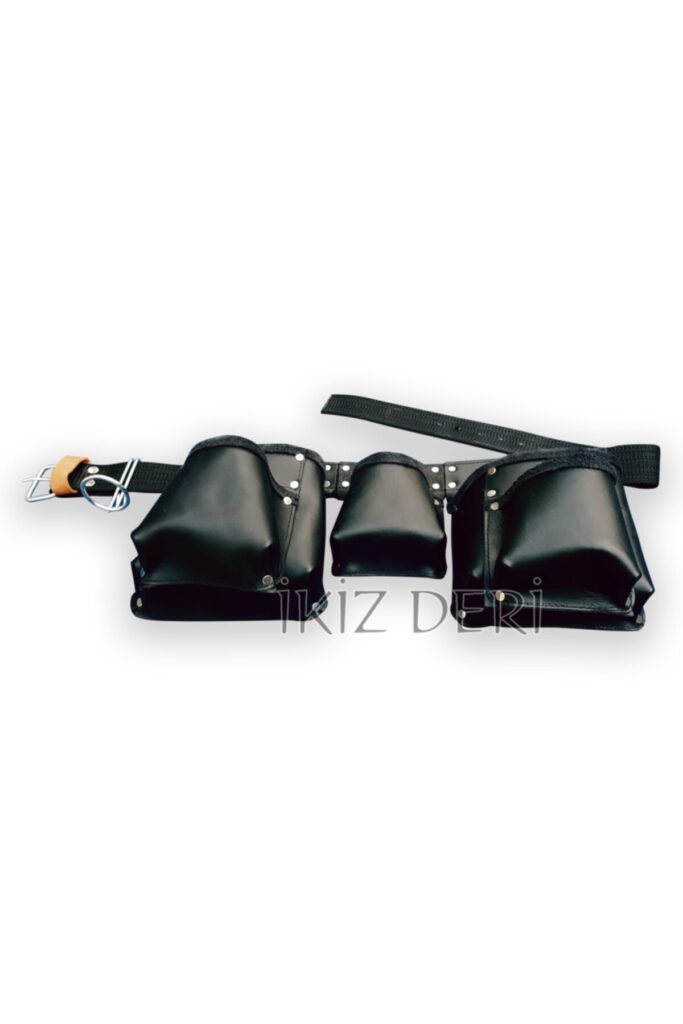
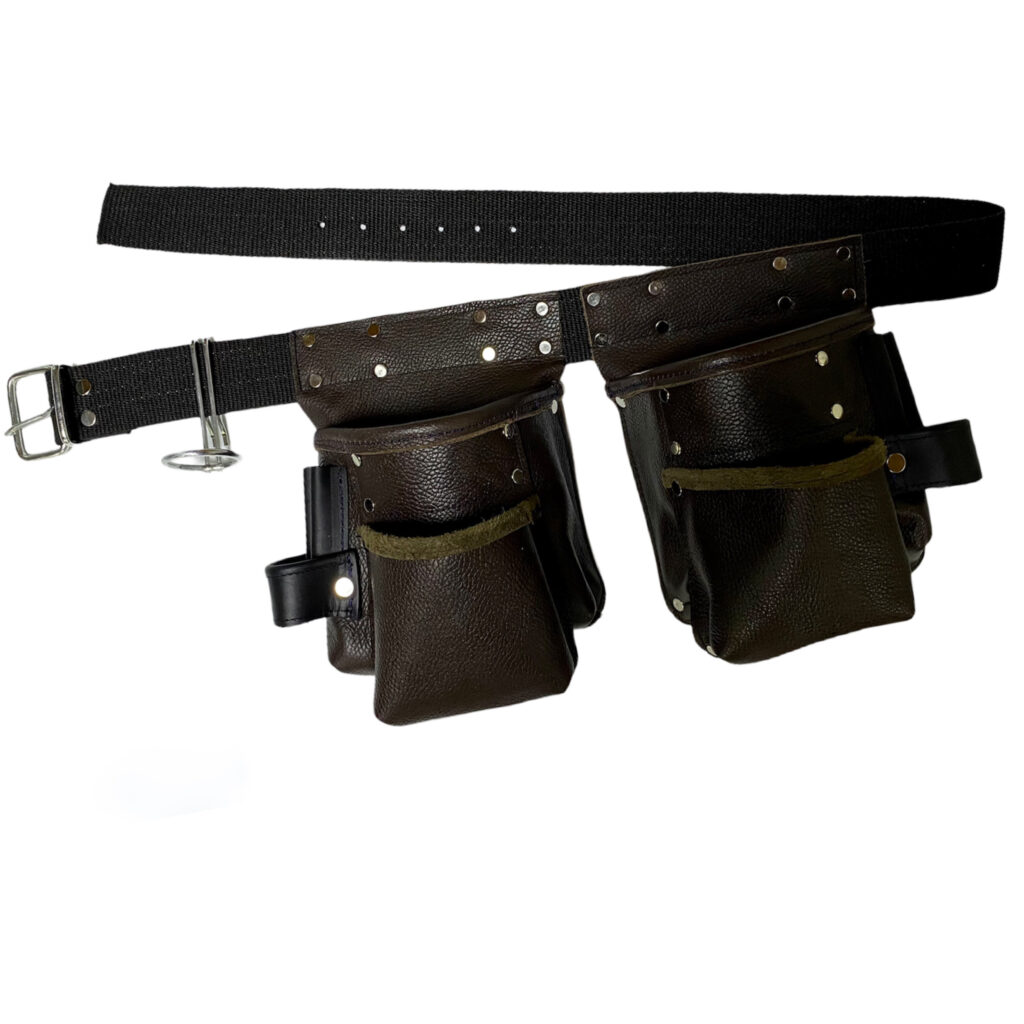
For carpenters, a leather apron should have a multi-pocket design that carries nails, screws, pencil, tape measure and small hand tools in separate compartments. Genuine leather resistant to wood dust and friction lasts long in the workshop.
Carpentry is a job where many small tools change hands frequently all day, so the number of compartments and pocket layout are critical for a carpenter. An apron that keeps nails and screws separate, pencil and tape measure separate, clearly speeds up work. We explain choosing the right apron for carpenters in detail in our carpenter’s apron guide. You can find suitable models in our leather nail apron and craftsman apron categories.
What Should a Leather Apron Be Like for Electricians?
For electricians, a leather apron should have a waist-type, practical design that carries pliers, screwdrivers, side cutters, cable and small connectors in an organized way. Quick access to tools is also important for safety in electrical work.
Electrical work requires precision and working with many small parts; an electrician’s apron should have separate pockets for screwdrivers, pliers and small materials. Waist-type craftsman aprons are both light and practical for electricians. We explain what an electrician’s apron should be like in our electrician apron guide; you can find suitable models in our craftsman apron category.
What Should a Leather Apron Be Like for Plumbers?
For plumbers, a leather apron should have a sturdy, wide-pocket design that carries a wrench set, pliers, seals, gaskets and connectors. In plumbing work exposed to water and moisture, well-cared-for genuine leather lasts long.
Plumbing requires working with heavy, bulky tools (pipe wrench, pliers, adjustable spanner), so a plumber’s apron should be both wide-pocketed and durable. A design that carries heavy tools close to the waist reduces back load. You can find what to look for in a tool apron for plumbers in our plumber’s tool apron guide and review suitable models in our tool apron category.
What Should a Leather Apron Be Like for Construction Workers?
For construction and site workers, a leather apron must above all be durable and carry the load of nails, chisels and heavy hand tools. Thick, strong genuine leather lasts for years in the tough conditions of a site.
A site is a dusty, muddy, harsh environment; here a thin or low-quality apron wears out quickly. The most important feature for a construction worker is durability: thick leather, strong stitching and stainless rivets. We explain what an apron should be like in construction work in our construction apron guide. You can find durable models for the site in our nail apron category.
What Should a Leather Apron Be Like for Formworkers?
For formworkers, a leather apron should have a wide nail-pocket design with a hammer holder that carries many nails within quick reach. Since formwork requires heavy nail use, pocket capacity is decisive for a formworker.
Formwork is a job where nails are consumed constantly and quickly to nail formwork boards, so a formworker’s apron should have a wide nail compartment and a holder to hang the hammer. Palaska-belt models are ideal for formworkers because they distribute the heavy nail load evenly across the waist. We explain what a formworker’s apron should be like in our formworker apron guide.
What Should a Leather Apron Be Like for Drywall Installers?
For drywall installers, a leather apron should be a practical design with a screw pocket that carries screws, driver bits and a tape measure. Since drywall work is done with screws and a cordless driver instead of nails, the apron should be chosen accordingly.
Drywall installation is a job where many screws are driven quickly with a cordless driver, so a drywall installer’s apron should have wide-mouthed pockets to easily grab screws and small compartments for bits and a tape measure. We explain the right apron for drywall work in our drywall apron guide; you can also see our types of screws guide for the different screw types.
Which Trade Should Choose Which Leather Apron Type?
The table below summarizes which apron type and standout feature the most common trades should prefer.
| Trade | Recommended Apron Type | Standout Feature |
|---|---|---|
| Carpenter | Multi-pocket nail/craftsman apron | Number of compartments, order |
| Electrician | Waist-type craftsman apron | Small-part pockets, lightness |
| Plumber | Wide-pocket tool apron | Heavy tool capacity |
| Construction/site | Thick leather nail apron | Durability |
| Formworker | Palaska-belt nail apron | Wide nail pocket, hammer holder |
| Drywall | Screw-pocket apron | Screw and bit compartments |
As the table shows, each trade’s priority is different; the right apron is the one that carries the tools the job requires most practically. When unsure, it is enough to think about the tools you use most and how you want to carry them; the right apron keeps those tools most practically within reach.
Do Furniture Makers and Upholsterers Use Leather Aprons?
Yes; furniture makers and upholsterers also use leather aprons heavily. Carrying staples, nails, dowels, a glue applicator and small hand tools in an organized way improves work quality in furniture and upholstery work.
Furniture and upholstery work requires both precision and working with many small parts; separate pockets for staples, dowels and small applicators make the work easier in a furniture maker’s apron. A leather apron also protects clothing from glue and paint while working. Multi-pocket craftsman and nail aprons are ideal for this group too; separate compartments prevent small accessories from getting lost and keep the work organized.
Are Leather Aprons Used in Metal and Lathe Work?
In metalwork and lathe work, a leather apron is used both to carry tools and to protect against flying chips and sparks. Genuine leather is far more resistant to sparks than canvas in metalwork.
Metalwork is an area where hot chips and sparks are common; here leather, thanks to its natural structure, provides much safer protection than canvas or synthetic fabric. Lathe operators and metalworkers protect the front of their body while carrying measuring tools, a pencil and small hand tools in the apron. That is why thick, strong and well-tanned genuine leather aprons should be preferred in metalwork; thin or synthetic leather is quickly damaged by sparks.
Is a Leather Apron Worth It for Hobby and DIY Users?
Yes; for DIY users doing home repairs, woodwork or crafts as a hobby, a leather apron is both a practical and enjoyable choice. Keeping tools within reach brings a professional order even to hobby work.
A hobby user may not work every day, but they still want to carry their tools organized and protect their clothing; a leather apron more than meets this need. Also, a genuine leather apron is a product that grows more beautiful with use and lasts for years, which makes it valuable for a hobby user. A leather apron is also a meaningful gift for a loved one who works with their hands — see our gifts for carpenters guide.
Why a Leather Apron? The Difference from Canvas and Fabric Aprons
A leather apron is far more durable than canvas and fabric aprons; it withstands sharp points, heavy tool loads and friction for years. Canvas is cheap and light but wears out and punctures quickly.
The expectation common to every trade is that the apron carries the load of the job. Nails, chisels and metal tools puncture canvas quickly; genuine leather carries this load with its natural strength. We compare the difference between leather and canvas and which is right for you in our leather nail apron vs canvas guide. Instead of replacing a short-lived canvas apron every few years, investing once in a quality leather apron is both more economical and more comfortable in the long run. Moreover, leather does not wear out with use; on the contrary, it gains a personal character. So in the long run, leather is a smarter choice for almost every trade.
Do Gardeners and Landscapers Use Leather Aprons?
Gardeners and landscapers also use leather aprons to carry pruning shears, gloves, twine, hoe heads and small hand tools. Genuine leather, resistant to soil, thorns and moisture, is a practical and long-lasting solution in garden work.
Garden and landscape work requires constant bending and holding many small tools; carrying tools at the waist saves time and reduces back load. Thorny plants and hard branches easily tear canvas; genuine leather withstands these conditions. A compartmented apron for pruning shears and small hand tools clearly organizes the gardener’s work. Waist-type, multi-pocket leather aprons are suitable for this group too.
Leather Aprons for Auto and Repair Technicians
For auto and repair technicians, a leather apron is ideal for carrying a wrench set, pliers, screwdrivers and small parts while protecting clothing from oil and grease. Oil-resistant genuine leather is easy to clean in a workshop environment and long-lasting.
Auto repair requires working with many small tools in an oily, dirty environment; here a leather apron both keeps tools organized and protects clothing from oil. Leather stained with oil is easily cleaned with the right method; we explain how in our leather apron stain removal guide. Wide-pocket, durable tool aprons are suitable for workshop technicians.
Is a Leather Apron a Must for Apprentices and Beginners?
For apprentices and those new to a trade, a leather apron is important for instilling the right working habit from the very start. An apprentice who learns from day one to carry tools in an organized way works faster and more safely.
For a beginner, an apron is not just an accessory but a part of the trade; knowing where the tools are and working in an organized way is the foundation of craftsmanship. A quality leather apron can be used for years, from apprenticeship to mastery. That is why spending a bit more up front on a durable apron is smarter than replacing it often. Beginners can start with a basic nail or craftsman apron suited to their work.
Is a Leather Apron Suitable for Women Craftspeople Too?
Yes; a leather work apron is completely suitable for women craftspeople as well. Since most models have adjustable neck and waist straps, they easily fit different body types; what matters is not gender but the apron being adjusted correctly and suited to the job.
The number of women craftspeople is steadily rising in crafts, carpentry, jewelry, restoration and many technical trades. Thanks to adjustable straps, the same apron fits everyone comfortably and in balance. We explain step by step how to adjust the apron to the body in our leather apron sizing guide. A correctly adjusted apron provides all-day comfort regardless of gender.
What Should You Look At When Buying a Leather Apron?
Whatever your trade, when buying a leather apron you should pay attention to leather quality (full-grain genuine leather), the strength of stitching and rivets, whether the pocket layout suits your work, and the apron’s adjustability. The right apron is not the most expensive but the one most suited to your work.
First determine the tools you use most; then choose the pocket layout that carries these tools most practically. Leather quality and workmanship determine how many years the apron will last. We explain what determines leather apron prices in our leather apron prices guide, and how to adjust the apron to fit you in our leather apron sizing article.
How Long Does a Leather Apron Last in Each Trade?
A leather work apron’s life changes by the intensity of the trade it is used in and its care; but a well-cared-for genuine leather apron usually lasts more than ten years even in heavy use. In light use, it can be used for a lifetime.
In heavy jobs like construction and site work, the apron wears more, but thick leather lasts for years even in these conditions. In less demanding jobs like carpentry, electrical work and hobby, the life is much longer. The deciding factor is regular care: an apron conditioned with leather cream every few months does not dry out or crack. We explain in detail how long a leather apron lasts and how to extend its life in our how long does a leather work apron last guide. Whatever your trade, with the right care your apron will accompany you faithfully for many years, like a working companion.
Conclusion: There Is a Leather Apron for Every Trade
A leather work apron is suitable for everyone who works with their hands, from carpenter to electrician, plumber to formworker, construction worker to hobby user. What matters is choosing the right apron that carries the tools your trade requires most practically and durably, and using it for many years with regular care. The right apron makes your work easier and also reduces your fatigue at the end of the day.
You can find the model best suited to your own trade among the leather nail aprons, craftsman aprons and all the İkizderi leather work equipment we make entirely from genuine leather in our workshop in Gerede, Bolu.