
 İkizderi
 How long does a leather work apron last? This is the first thing almost every craftsman wonders before investing in a quality apron. The short answer is encouraging: a work apron made from genuine leather and cared for properly can last ten to twenty years, or even longer. In this guide we explain the factors that determine a leather apron’s lifespan, the concrete ways to extend that lifespan to twenty years, and when an apron should be replaced. By the end, you will know every trick for keeping your apron like new for years.
The Short Answer: How Long Does a Leather Work Apron Last?
A work apron made from genuine leather lasts 10-20 years with proper care, and some quality models are used for generations. Synthetic leather or canvas aprons, on the other hand, usually wear out in 2-5 years. This large gap comes from the quality of the material, the workmanship, and the care the user applies.
So the answer to “how long does it last” is not a single number; it depends on how the apron is made and how it is used. It is also worth noting that a leather apron’s life should be measured not only in years but in quality of use. While a canvas apron begins to fall apart within two years, a genuine leather apron is used with confidence even in its fifth or tenth year, and often looks even better. So leather does not just last a long time; it stays in good condition for a long time. Below, we cover every factor that determines this lifespan and the ways to extend it.
What Factors Determine a Leather Apron’s Lifespan?
Four main factors determine the lifespan of a leather work apron: the type of leather, the quality of workmanship, the intensity of use, and regular care. When these four come together, the apron can last for decades; when one is missing, the life is shortened.
- Leather type: Full-grain genuine leather is the most durable. Thin or split leathers wear out faster.
- Workmanship: Stainless-steel rivets and tight, straight hand-stitching reinforce the load points.
- Intensity of use: An apron used to carry heavy tools every day wears more than one used occasionally; even so, a quality apron lasts long under these conditions.
- Care: Regular cleaning and leather conditioner significantly extend the life.
At the top of these factors is that the leather is truly genuine. If you are not sure whether an apron is leather, you can use our guide on how to tell if leather is real.
Why Is Genuine Leather So Long-Lasting?
The reason for genuine leather’s long life is its tightly interlocked natural fiber structure. These fibers resist friction, pulling, and puncturing; this is why leather, unlike woven fabrics, does not easily tear or come apart.
Fabrics like canvas are made of woven threads, and under pressure these threads gradually open up. In leather there is no such weave; the material is one piece and dense. Add pocket corners reinforced with stainless-steel rivets and master hand-stitching, and the product can be used for decades without falling apart. This is exactly what makes leather a lifetime material.
How Does Leather Type Affect Lifespan?
Leather type directly determines an apron’s lifespan: the longest-lasting type is full-grain, followed by top-grain, while the shortest-lived is split or bonded leather. Two aprons that look the same can last very different amounts of time because of the leather type.
- Full-grain: The top, strongest layer of the hide. Not sanded, keeps its natural texture. The most durable and longest-lasting option.
- Top-grain: A slightly corrected, thinner leather. Durable, but not as long-lasting as full-grain.
- Split / bonded: Made from leather scraps. Cheap but wears out quickly; not recommended for a work apron.
So if you wonder how many years a leather apron will last, you first need to ask which type of leather it is made from. For long life in work aprons, full-grain genuine leather should be preferred.
What to Check for Durability When Buying a Leather Apron?
To buy a long-lasting leather apron, check the type of leather, the density of the stitching, the quality of the rivets, and the strength of the waist belt. These four points are the biggest predictors of how many years the apron will last.
- Leather type: Choose full-grain genuine leather if possible.
- Stitching: Tight, straight, taut stitching prevents coming apart under load.
- Rivets: Load-bearing pocket corners should have stainless-steel rivets that do not rust or break over time.
- Waist belt: A wide, adjustable, sturdy belt provides both comfort and long life.
An apron that meets these criteria pays for itself many times over the years, even if it costs a little more at first. Instead of replacing a low-quality apron every few years, buying the right one once is always smarter.
How Do You Extend a Leather Apron’s Lifespan?
The key to extending a leather apron’s lifespan is regular care: cleaning, conditioning every few months, and correct drying. This simple routine can easily double the apron’s life. You can find the full step-by-step cleaning, conditioning, wetting and storage routine in our how to care for a leather nail apron guide.
How Long Does a Leather Apron Last in Different Uses?
A leather apron’s life varies with the intensity of use: it can exceed twenty years in hobby use, while in heavy daily professional use it may be around ten years. Even so, this is a lifespan most canvas aprons cannot reach.
- Hobby and home repair (a few hours a week): 15-20 years and more.
- Semi-professional (a few days a week): 12-18 years.
- Heavy professional (every day, full time): 8-12 years.
These times apply when regular care is done. If care is neglected, the life shortens in every category; when cared for well, it reaches the upper limits. As you can see, even in the heaviest use, leather serves for many years.
When Should a Leather Apron Be Replaced?
A leather apron should be replaced when the stitching comes apart beyond repair, the leather cracks irreversibly, or the pockets lose their function. However, reaching this point in a quality leather apron usually takes more than ten years.
- Deep, dried-out cracks forming in the leather.
- Stitching coming apart in multiple places where repairs do not hold.
- Rivets breaking so the pockets cannot bear weight.
- Pocket bottoms wearing through and dropping small tools.
In most cases these problems can be repaired one by one; this is another advantage of leather. A small stitch or rivet repair can extend the apron’s life by several more years.
Can an Old or Second-Hand Leather Apron Be Saved?
A dried-out or stiffened old leather apron can often be made usable again by nourishing it with leather conditioner. Unlike fabric, leather is a material that can be “revived”; this is another of its great advantages.
To save stiffened leather, first clean it with a soft cloth, then apply a thin layer of leather balm and leave it for a few hours. Repeating the process a few times restores the leather’s flexibility. An apron with torn stitching or a broken rivet can also be used for years more with a simple repair. So before throwing away an old leather apron, it always makes sense to try to save it.
How Does Leather Thickness Affect Lifespan?
The thickness of the leather directly affects an apron’s lifespan: thicker leather resists abrasion and puncturing for longer. Work aprons usually use cowhide around 2-3 mm thick; this thickness gives the ideal balance between durability and flexibility.
Very thin leathers are light but cannot withstand the pressure of heavy tools for long and tear quickly. Very thick leathers are durable but can be stiff and heavy. A good work apron is made at a thickness that strikes this balance correctly. So when judging how many years an apron will last, you should check not only that the leather is genuine but also that it is thick enough.
Why Does a Handmade Leather Apron Last Longer?
A handmade leather apron usually lasts longer than a mass-produced one, because every stitch and rivet is worked one by one, with care. The craftsman’s hand reinforces the weak points a machine might miss.
In mass production speed is the priority, which sometimes means compromising on stitch quality and material selection. In handmade production, each apron is checked individually, the load points are reinforced, and flawed pieces are eliminated. İkizderi aprons are made this way in Gerede, Bolu; the result is a durability that defies the years. So the production method also plays an important role in the answer to “how long does it last”.
In How Many Years Does a Quality Leather Apron Pay for Itself?
A quality leather apron usually pays for itself within the first few years because its annual cost is far lower. Long life makes the high upfront price economical over time.
For example, the annual cost of a leather apron used for fifteen years is far below that of a cheap apron replaced every two years. If you add the time spent researching and buying a new apron, the advantage of quality leather becomes even clearer. So although a leather apron seems expensive in the short term, it is the most economical option in the long run.
Leather vs. Canvas Apron: A Lifespan Comparison
In terms of lifespan, a leather apron usually lasts about three to four times as long as a canvas apron. The table below compares the average life and durability of the two materials.
| Feature | Leather Work Apron | Canvas Apron |
|---|---|---|
| Average lifespan | 10-20 years | 3-5 years |
| Wear pattern | Slow, gains patina | Fast, fades and tears |
| Repairability | High (stitching/rivets) | Low |
| Effect of care | Greatly extends life | Limited effect |
For a detailed read comparing the two materials in every respect, take a look at our leather vs canvas nail apron guide.
Can a Leather Apron Be Used for a Lifetime?
A quality apron made from full-grain genuine leather and cared for regularly can, in practice, be used for a lifetime; it is often even passed to the next generation. When treated correctly, leather does not weaken over the years but settles in and gains character.
The secret to this lies in leather being a repairable material. A worn stitch can be re-sewn, a broken rivet replaced, a dried surface revived with conditioner. These small interventions continually extend the apron’s life. With a canvas or synthetic apron, such repair is usually not possible; when worn, it is thrown away. This is exactly why a leather apron is not a one-time expense but an investment spread over many years.
How Durable Are İkizderi Leather Aprons?
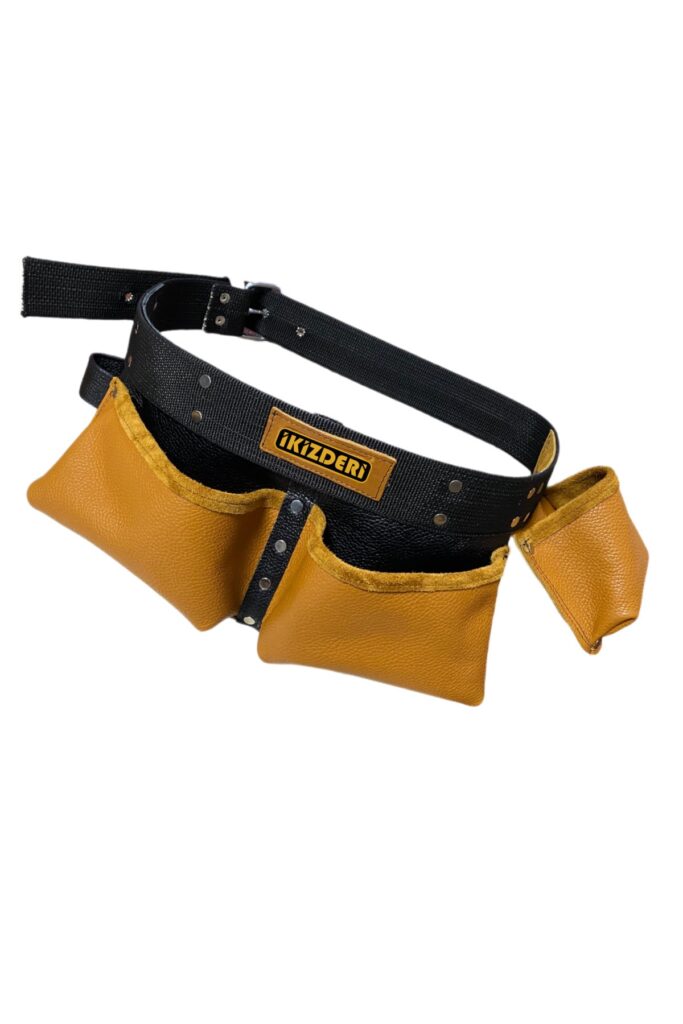
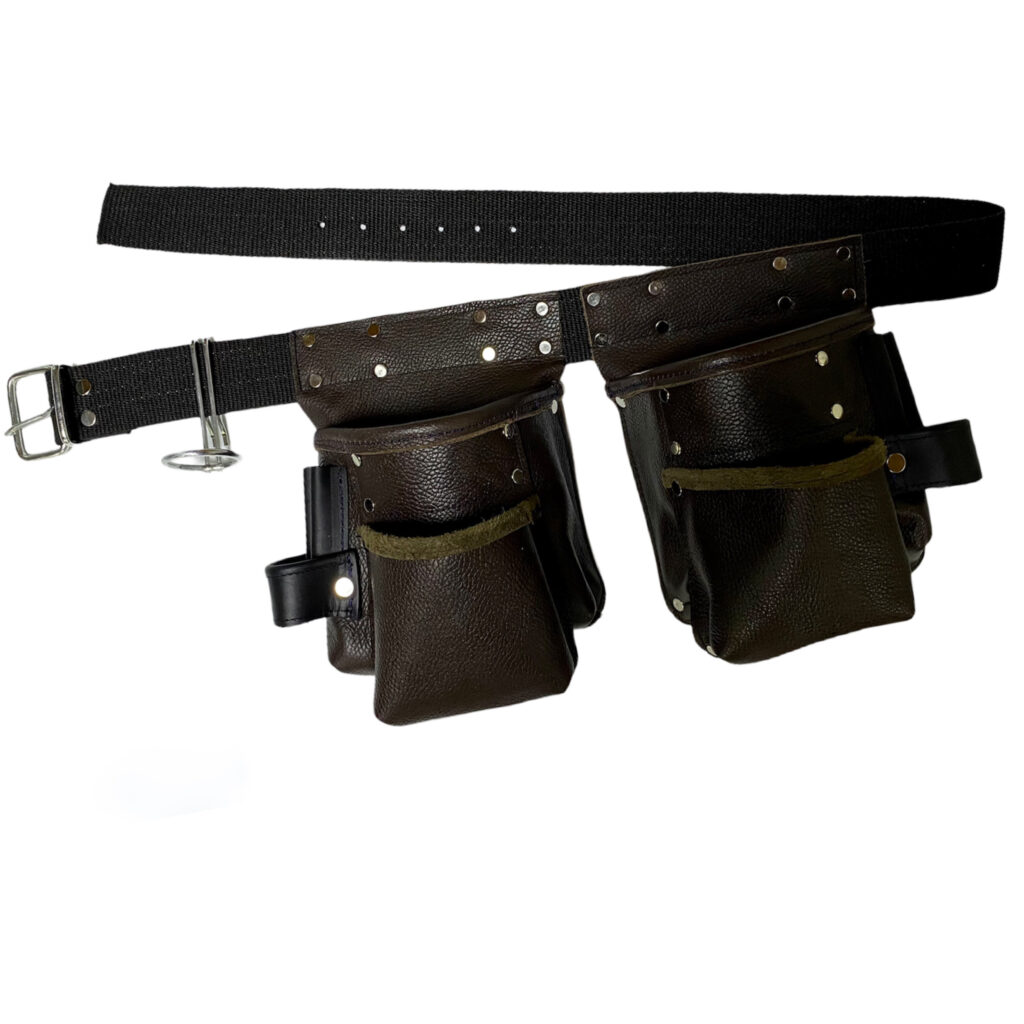
İkizderi leather aprons are made by hand from full-grain genuine leather in our workshop in Gerede, Bolu, with more than ten years of experience, and are designed for long life. Each apron is worked one by one; the pocket corners are reinforced with stainless-steel rivets and the seams with master hand-stitching.
This production approach aims for the product to be used for decades with proper care. Shopping from a brand that clearly states where and how it is made is also a guarantee that the apron you buy is truly durable. You can choose a model to use for many years by reviewing our leather nail apron models and, when picking the right one, use our how to choose a nail apron guide and leather master apron range made for different jobs.
If your leather has stiffened, our how to soften leather guide shows how to soften it again without damage.
Conclusion: Leather Is the Smartest Long-Term Choice
Because a leather work apron lasts 10-20 years with proper care, it is both the most economical and the most reliable option in the long run. Regular cleaning, correct drying, and leather conditioner every few months can easily double an apron’s life.
In short, how many years a leather apron lasts is largely in your hands. If you start with the right material and continue with a simple care routine, you gain a work companion that stays by your side for decades. A leather apron is one of the rare products that returns the price you paid many times over the years.
If you want a genuine leather, master-made apron you can buy once and use with confidence for years, you can review the fully handmade İkizderi leather work equipment and make a lifetime investment.