
 İkizderi
 Faux leather vs genuine leather is a question almost everyone faces before buying a leather work apron or tool belt. Both are sold as “leather,” but their structure, durability and lifespan are completely different. In this guide we compare faux leather and genuine leather one by one — material structure, durability, cost, lifespan and performance in a work apron. By the end, you will be able to decide for yourself which one suits your work.
The Short Answer: Faux Leather or Genuine Leather?
For heavy, long-term use, genuine leather is preferred; for short-term, low-budget use, faux leather is chosen. Genuine leather is made from real animal hide and lasts for years; faux leather is a plastic-based material coated onto fabric and wears out quickly.
A tool apron or belt is exposed to constant friction, weight and impact. Under these conditions the material’s real durability shows. Although the two products may look alike in the first days, the difference becomes clearly visible within a few months. Below we compare the two materials in every respect.
What Is Genuine Leather?
Genuine leather is real animal hide made durable through tanning. Thanks to its natural fiber structure, it is a flexible, breathable material that withstands years of use.
Genuine leather is a natural product, so its surface has pores, grain marks and slight tone differences. These marks are not a flaw but proof the material is real. As it is used, it gains a natural sheen called patina and develops a finer look over time. Its natural durability is why it is the most preferred material in heavy work conditions.
What Is Faux Leather?
Faux leather is a synthetic, leather-look material made by coating a fabric base with a plastic-based layer (usually PU or PVC). It contains no real leather fiber; it imitates leather only in appearance.
Faux leather is used in many products because it is cheap and light. It is sold under different names — PU leather, eco leather, vegan leather — but they all share the same base: a plastic surface coated onto fabric. Over time, this plastic coating cracks, peels and flakes off. Because it does not breathe, it traps heat and moisture. Unlike real leather, it does not repair itself; once it cracks, the problem spreads quickly. This is why faux leather cannot match the performance of genuine leather in heavy, long-term use.
The Differences Between Faux and Genuine Leather
The differences fall under material structure, durability, breathability, cost, lifespan and repairability. The table below compares the two materials side by side.
| Criterion | Genuine Leather | Faux Leather |
|---|---|---|
| Material | Real animal hide | Fabric + plastic coating |
| Durability | Very high, lasts for years | Low, short-lived |
| Breathability | Breathes | Does not breathe |
| Surface over time | Gains patina, improves | Cracks, peels |
| Repairability | Repairable | Mostly not repairable |
| Initial price | Higher | Lower |
| Long-term cost | Low (used for years) | High (replaced often) |
The last two rows are what most people overlook: cheap faux leather costs more in the long run because it is replaced so often. Below we open up these differences one by one.
Which Is More Durable?
Genuine leather is far more durable than faux leather. Thanks to its natural fiber structure, it withstands heavy load, friction and impact for years; faux leather cracks and tears quickly because of its plastic coating.
On a tool apron, the pocket openings, corners and belt attachment are constantly strained. Genuine leather stays sound at these points for years. On faux leather, the plastic coating first hardens, then cracks and flakes off. Especially in pockets where sharp-pointed tools go in and out, faux leather becomes unusable within months. To be sure the leather is genuinely real, take a look at our how to tell if leather is real guide.
What Is the Difference in Breathability and Comfort?
Genuine leather is a natural, breathable material; faux leather does not breathe because of its plastic structure. This difference directly affects comfort, especially in an apron or belt worn all day.
Thanks to its natural pores, genuine leather lets air and moisture pass to a degree, which reduces sweating and makes for more comfortable use. Faux leather traps heat and moisture, causing discomfort in long-term use. For a craftsman doing heavy work, this comfort difference is clearly felt by the end of the day.
Which Makes More Sense in Terms of Cost?
Faux leather is cheaper at first, but genuine leather is more economical in the long run. That is because a genuine leather product is used for years, while a faux leather product has to be replaced often.
At first glance faux leather looks attractive; its price is low. But an apron that cracks within a few seasons will exceed the price of a genuine leather one within a few years. Add to that the time and effort of buying a new product repeatedly. When you do the math over the long term, genuine leather is almost always the more sensible investment.
Which Should Be Preferred in a Work Apron?
For a work apron or belt that carries heavy tools, genuine leather should be preferred. Because a work apron is exposed to constant friction, weight and impact, only genuine leather lasts a long time under these conditions.
A carpenter, construction worker or electrician carries their tools on the waist all day. A faux leather apron tears quickly under these conditions and can cause tools to fall out. Genuine leather, when load points are reinforced, can last more than a decade. So in professional use, genuine leather is the unquestionably right choice. We explain how many years a genuine leather work apron lasts in our how long does a leather work apron last guide.
How Do You Tell Faux Leather from Genuine Leather?
Faux and genuine leather can be told apart by smell, touch, surface pattern and cross-section. Genuine leather gives a natural smell and a warm touch, while faux leather smells of plastic and feels cold.
The fastest test is smell: genuine leather has its own natural scent, while faux leather smells of plastic or chemicals. Looking at the surface, genuine leather shows pores and natural irregularities; faux leather has a repeating, overly regular pattern. We explain all the detailed methods for this distinction step by step in our how to tell if leather is real guide.
Which Is Easier to Care For?
Faux leather may look easier in daily cleaning, but genuine leather lasts far longer with simple regular care. Faux leather has no real care because it cannot be repaired; genuine leather is protected for years by conditioning.
A faux leather surface is wiped with a damp cloth, but once it cracks there is nothing to be done; the product has reached the end of its life. Genuine leather, conditioned with leather cream every few months, does not dry out, crack or lose its flexibility. So with genuine leather, “care” is not a chore but a simple investment that multiplies the product’s life. We explain every care step in our how to care for a leather nail apron guide.
Is There an Environmental Difference?
Because genuine leather is long-lasting and repairable, it produces less waste; faux leather, being plastic-based and quickly discarded, causes more waste. In long-term use, genuine leather is the more sustainable choice.
Faux leather does not break down easily in nature because of its plastic coating, and it produces constant waste because it is replaced often. Genuine leather, used for years, means far fewer products are consumed over the same period. Using one product for ten years is better — both economically and environmentally — than buying a new one every two years. Durability is also a matter of sustainability.
What Is the Difference Between Full-Grain and Top-Grain Leather?
Genuine leather is itself graded by quality: full-grain leather is the most durable and valuable part, while top-grain and split leather are thinner and less durable. For a work apron, full-grain leather is preferred.
Full-grain leather contains the top, strongest layer of the hide, with its natural pores and fiber structure intact. This makes it the longest-lasting and most durable type of leather. Top-grain leather has its surface sanded and corrected — a thinner layer that is cheaper but less durable. In heavy work conditions, especially in an apron carrying heavy tools, full-grain leather is by far the right choice.
Is Faux Leather Ever Worth Using?
Faux leather does have its own uses: it is suitable for light, short-term, low-budget items. But when it comes to heavy, long-term use, it cannot take the place of genuine leather.
For an accessory that will rarely be used, faux leather may be enough. But in an apron carrying heavy tools all day, faux leather soon becomes a disappointment. The real question when choosing a material is not “how cheap?” but “how long and how hard will it be used?” As use intensity increases, the advantage of genuine leather becomes clear.
Why Does Faux Leather Crack and Peel Over Time?
Faux leather cracks and peels over time because the plastic coating on its surface moves independently of the fabric base and loses its flexibility. Heat, sun and constant bending harden this coating; the hardened coating first cracks, then flakes off.
In genuine leather, the surface and the base are the same natural material; they move together and stay flexible as they bend. In faux leather, two different layers — fabric and plastic — are glued together. Over time the bond between them weakens, the plastic coating lifts and begins to flake. In a product that is constantly bent and strained, like a tool apron, this process happens much faster. This is exactly why a faux leather apron becomes unrecognizable after a few seasons.
How Does Faux Leather Behave Against Water and Heat?
Faux leather may look somewhat water-resistant, but it degrades quickly against heat; sun and warmth harden and crack the plastic coating. Genuine leather, with proper care, stays sound for years in both damp and warm environments.
The plastic surface of faux leather can resist water briefly, but under constant heat it loses its flexibility and cracks. In a car, under the sun, or in a hot work environment, this degradation speeds up. Genuine leather should not be dried on a heat source either; but thanks to its natural structure, it behaves far more stably in normal work conditions. Wet genuine leather returns to its former state when dried at room temperature and conditioned; with faux leather, no such repair is possible.
Which Is More Valuable in the Long Run?
In the long run genuine leather is always more valuable; it is used longer and gains value by becoming personal as it is used. Faux leather loses value over time and soon ends up as waste.
Most products age and lose value over time; with genuine leather the opposite happens. Leather that feels stiff in the first months softens, darkens and takes shape according to how its owner works over the years. That texture turns the product into an object that is entirely yours. Faux leather goes through no such process; the more the plastic surface is used, the more it wears. This is why a genuine leather apron becomes a far more meaningful product ten years on than it was on day one.
Why Is Genuine Leather More Expensive?
Genuine leather is more expensive because tanning, selecting and processing a real animal hide is costly. Faux leather is mass-produced in a factory at low cost.
With genuine leather, every hide is different; weak areas are eliminated and the strongest parts are selected. This selection and workmanship cost is reflected in the price. In return, the difference you pay comes back as a product that lasts for years. Faux leather is cheap, but that cheapness returns as a short life and frequent replacement. So the price of genuine leather is not a cost but a long-term investment.
Faux Leather or Genuine Leather: How to Decide?
To decide, ask two questions: how long will you use the product, and how tough are the conditions you will use it in? For long-term and heavy use, genuine leather makes sense; for short-term and light use, faux leather is reasonable.
- If you carry heavy tools every day: Genuine leather — the only right choice.
- If you want a long-lasting product: Genuine leather — lasts for years.
- If comfort and breathability matter: Genuine leather — reduces sweating.
- For very rare, light use: Faux leather may be enough.
- If you want long-term savings: Genuine leather — few replacements, low total cost.
These five points make the decision clear for most people. In professional and heavy use, the choice is almost always in favor of genuine leather. Faux leather’s low price may look attractive in the short term, but the more and the longer you use the product, the clearer the advantage of genuine leather becomes.
You can find how leather type affects price in our leather apron prices guide.
Conclusion: Which Is the Right Material?
Although faux leather is cheap and light, it cannot match the durability, comfort and value of genuine leather in heavy, long-term use. For products under constant strain, like a work apron or tool belt, the right choice is genuine leather.
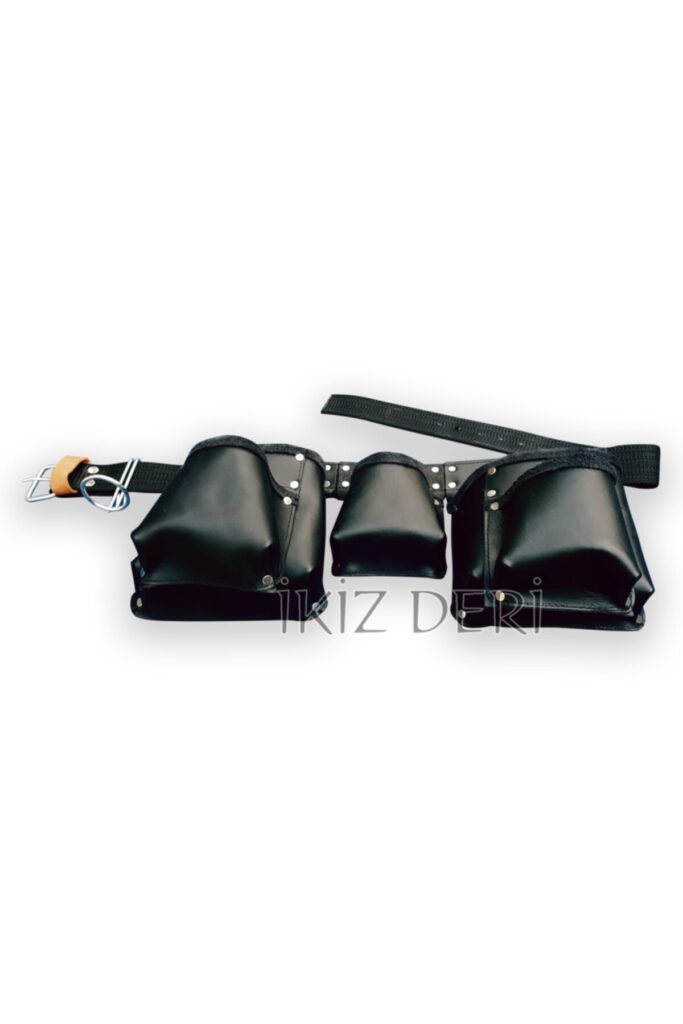
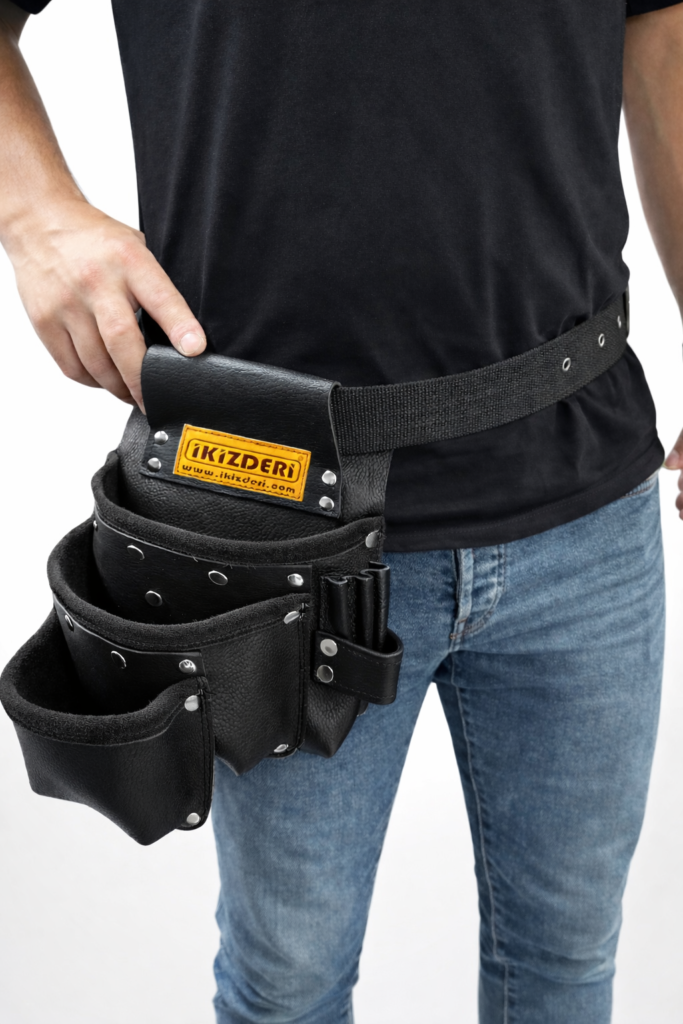
You can review the leather nail apron models and all İkizderi leather work equipment we make entirely from full-grain genuine leather in our workshop in Gerede, Bolu, and choose a product you can use with confidence for years.