
 İkizderi
 How to care for a leather nail apron is the single most important habit that determines your apron’s lifespan. A well-cared-for leather apron lasts for decades, while a neglected one can dry out and crack within a few years. The good news is that leather care is not difficult at all. In this guide we explain, in plain language, how to clean your leather nail apron step by step, how to condition it, what to do when it gets wet, and what to avoid. By the end, you will know every trick for keeping your apron like new for years.
The Short Answer: How Do You Care for a Leather Nail Apron?
Caring for a leather nail apron comes down to three basic steps: regular cleaning with a damp cloth, conditioning with colorless leather cream every few months, and correct drying away from heat when it gets wet. These three steps keep the leather moist and flexible, prevent cracking, and significantly extend the apron’s life.
The care routine is not complex; a short amount of time a few times a year is enough. Below we explain each step one by one, in a practical way.
If you add a few small habits to these three basic steps, the result is flawless: not overloading the apron, storing it correctly, and staying away from products that harm leather. You will find all of these under separate headings in this guide. Whether you have a new apron or want to revive one you have used for years, the steps here will guide you.
Why Does a Leather Apron Need Care?
Leather is a living material that loses its natural oil over time; care replaces that oil and keeps the leather flexible and durable. Just as dry skin cracks, dry leather loses its flexibility and forms cracks on the surface.
A nail apron is exposed to sweat, dust, sawdust, and moisture all day. These conditions dry and dirty the leather. Regular care both cleans this dirt and restores the leather’s moisture, so the apron stays strong for years. Neglected leather first hardens, then cracks, and eventually becomes unusable.
You can think of care as a small investment in the apron. A short amount of time a few times a year saves you many years at a far lower cost than buying a new apron. What’s more, a well-cared-for leather apron does not just last longer; it grows more beautiful each year. So care is both a functional and an aesthetic gain. It is best to see leather care not as a chore, but as part of the long relationship you build with your apron.
How Do You Clean a Leather Nail Apron?
A leather nail apron is first freed of dust with a dry brush or cloth, then wiped with a lightly damp cloth, and left to dry on its own. Cleaning is the first and most important step of care, because built-up dirt slowly abrades the leather.
- Remove the dust: Empty the sawdust, nails, and dust from the pockets; wipe the surface with a dry, soft cloth.
- Wipe with a damp cloth: Gently wipe the surface with a lightly damp (not wet) cloth.
- For stubborn dirt: Use a small amount of natural leather cleaner; never use detergent or bleach.
- Leave it to dry: Let it dry on its own, away from heat sources.
During cleaning, be careful not to soak the leather too much. Leather absorbs water; excess water makes the leather harden as it dries. So “little water, gentle wiping” is the golden rule of leather cleaning.
How Do You Condition a Leather Apron?
After cleaning, a leather apron is conditioned by applying a thin layer of colorless leather cream or balm; the cream is left to absorb for a few hours and the excess is wiped off with a soft cloth. Conditioning returns the natural oil the leather has lost and keeps it flexible.
- Clean first: Make sure the surface is clean and dry before applying cream.
- Apply a thin layer: Apply colorless leather cream with a soft cloth in a thin, even layer.
- Let it absorb: Wait a few hours (or overnight) for the cream to work into the leather.
- Buff: Wipe off excess cream with a clean, dry cloth and lightly buff the surface.
For colored leather aprons, always prefer colorless cream; colored products can create tone differences over time. Conditioning is the heart of leather care and the step that extends the apron’s life the most.
How Often Does a Leather Apron Need Care?
A leather nail apron stays in its best condition with a short weekly clean, a monthly damp wipe, and conditioning every two to three months. This frequency can vary a little with the intensity of use.
- After every use: Empty the pockets and shake off the dust.
- Weekly: Remove surface dust with a dry cloth.
- Monthly: Do a general wipe with a lightly damp cloth.
- Every 2-3 months: Condition with leather cream.
If you work in intense, dusty environments, you can increase the conditioning frequency. If the leather starts to look matte or stiff, that is its way of saying it needs feeding.
What to Do When a Leather Nail Apron Gets Wet?
A wet leather apron should have its excess water removed, be dried on its own in an airy place away from heat, and be conditioned once dry; it should never be dried with heat. You can find all the details of rescuing wet leather, removing water stains and protecting it from moisture in our what to do when a leather tool belt gets wet guide.
What Should You Avoid in Leather Care?
In leather care you must strictly avoid detergent, bleach, alcohol, thinner, machine washing, and heat drying. These methods permanently damage the leather instead of cleaning it.
- Chemical detergents: Strip the leather’s natural oil and dry the surface.
- Bleach and alcohol: Fade the color and crack the leather.
- Machine washing: Deforms the leather irreversibly.
- Heat drying: Radiators, hairdryers, and direct sun crack the leather.
In short, treating leather “gently” is the biggest part of caring for it well. Simple care with the right products is always more effective than aggressive cleaning.
Which Products Should You Use for Leather Apron Care?
For leather apron care, colorless leather cream, leather balm, and a soft cloth are enough; you do not need expensive or complex products. A few correct products do the whole job.
- Colorless leather cream / balm: The basic product for feeding and moisturizing.
- Soft cotton cloth: For cleaning and applying cream.
- Soft brush: For dust and sawdust in the pockets.
- Natural leather cleaner (optional): Only for stubborn dirt.
You do not need more than these few products. Leather likes simplicity; regular, correct care always gives a better result than elaborate products.
How to Remove Mold and Stains from a Leather Apron?
Mold on a leather apron is removed by gently wiping with a lightly damp cloth, then drying thoroughly and conditioning; oil stains are reduced by pressing with an absorbent cloth. The real cause of mold is moisture, so the solution is to dry the leather and store it correctly.
If mold forms, move the apron to an airy place, wipe the surface with a lightly damp cloth, and after drying it completely, apply a thin coat of cream. For oil stains, instead of rubbing, press with a clean cloth to absorb the excess oil. Do not force deep stains; aggressive treatment can cause more damage than the stain. Most of the time, regular care prevents stains and mold before they form.
Is Leather Care Different in Winter and Summer?
Yes; in winter, leather dries faster due to dry air and heaters, so conditioning frequency should be increased. In summer, cleaning comes to the fore because there is more sweat and moisture.
In winter months, radiators and dry air leave the leather without moisture; conditioning once a month is good in this period. In summer, because sweat and dust build up more, more frequent damp wiping is needed. Whatever the season, the basic rule is the same: keep the leather clean, moist, and away from heat. This simple balance protects the apron all year round.
How to Do the First Care for a New Leather Apron?
Applying a thin coat of colorless leather cream to a new leather apron before first use protects it by feeding the leather from the start. This first care helps the apron stay moist and flexible from the very first days.
A new apron is usually clean from the factory, so it does not need heavy cleaning first. Just wipe the surface with a soft cloth, then apply a thin coat of cream and let it absorb for a few hours. This process feeds the leather’s pores and creates a buffer against the small scratches and friction that can occur in first use. A good starting care means fewer problems throughout the apron’s life.
How to Soften a Stiffened Leather Apron?
A stiffened leather apron can be softened again by applying leather balm in a thin layer, leaving it for a few hours, and repeating the process a few times. Leather hardens when it dries, but it can regain its old flexibility with proper moisturizing.
To soften it, first clean the apron with a soft cloth. Then apply leather balm or colorless cream in a thin layer over the whole surface and leave it at room temperature for a few hours. As the leather absorbs the cream, it begins to soften. For very stiff leather, you may need to repeat this over a few days. Never try to soften with heat (hairdryer, radiator); this cracks the leather further. Patient, regular moisturizing can save even the stiffest leather.
How to Store a Leather Apron Properly?
A leather apron should be stored hanging, unfolded, in a cool, dry place out of the sun. Wrong storage can wear the leather as much as use, so storage conditions are an important part of care.
If you are putting the apron away for a long time, clean and condition it first, then hang it. Storing it folded leaves permanent creases and crack marks in the leather. A damp basement or a closed cabinet increases the risk of mold, so prefer an airy place. Storing it in a plastic bag also suffocates the leather and traps moisture. Leather likes to breathe; offering it a dry, airy environment is the best approach for long-term storage.
Is Suede and Nubuck Leather Apron Care Different?
Yes; napped leathers like suede and nubuck are cared for with a special suede brush and suede spray instead of cream. Applying normal leather cream to these leathers stains the surface and ruins the nap texture.
If you have a suede or nubuck apron, remove dust and dirt with a soft suede brush, brushing in the direction of the nap. A special suede eraser can be used for stains. Because water and moisture harm these leathers more than classic leather, a protective suede spray should be applied regularly. For classic cowhide aprons, cream and balm are enough. In short, the care method changes with the leather type; knowing which leather your apron is made of is the first step of correct care.
How to Remove Bad Odor from a Leather Apron?
Sweat and moisture odor in a leather apron is removed by airing the apron in an airy place and, if needed, placing some baking soda in the pockets. Bad odor usually comes from moisture, so the solution is to dry and air the leather.
To remove odor, air the apron for a few hours in the open, without exposing it to direct sun. For stubborn odors, you can put baking soda in a small cloth inside the pockets and leave it overnight; baking soda absorbs moisture and odor. Avoid spraying perfume or chemical deodorizers directly on the leather; these can dry it out. Regular airing and correct storage prevent odor before it forms.
Do Homemade Leather Care Methods Work?
Kitchen oils like olive oil or coconut oil may temporarily shine the leather but can damage it in the long run, so leather-specific care products should be preferred. Some “homemade” methods circulating online may seem to work in the short term but are risky.
Kitchen oils turn rancid over time and can leave permanent stains and bad odor on the leather. Likewise, products like hair conditioner and petroleum jelly can ruin the leather’s texture. Leather is designed to be fed with creams made for it; these products have the right pH and oil balance. A few-dollar leather cream protects your apron from the risk of homemade experiments in the long run. So the safest way in leather care is always to use leather-specific products.
İkizderi Leather Aprons and Care
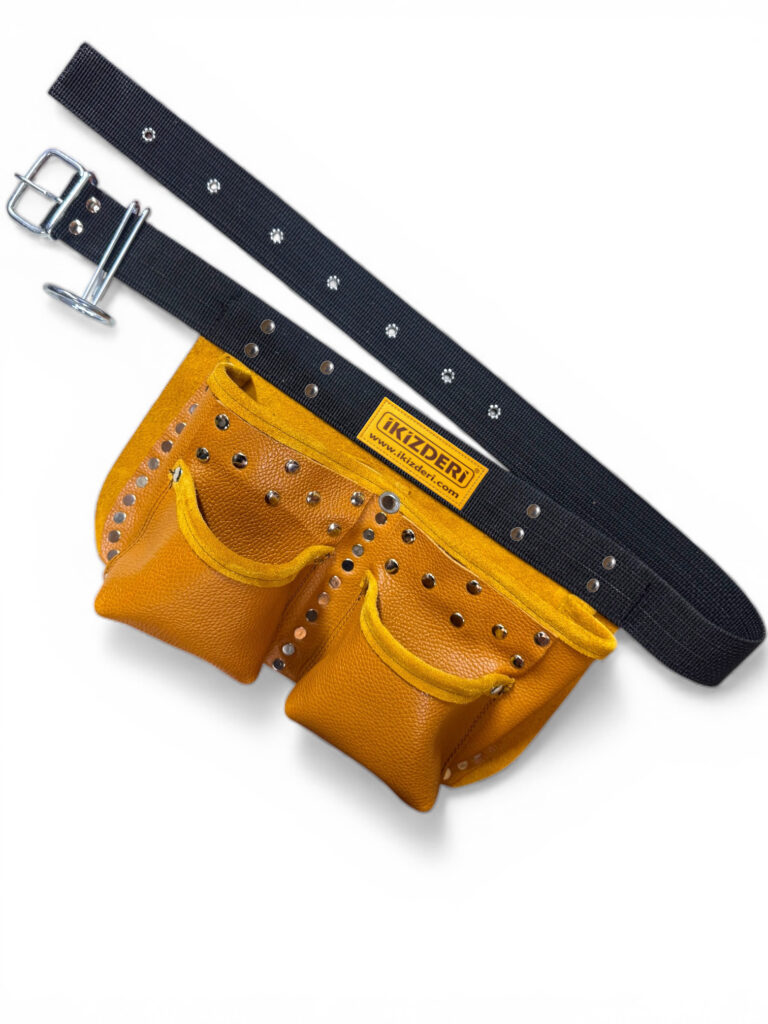
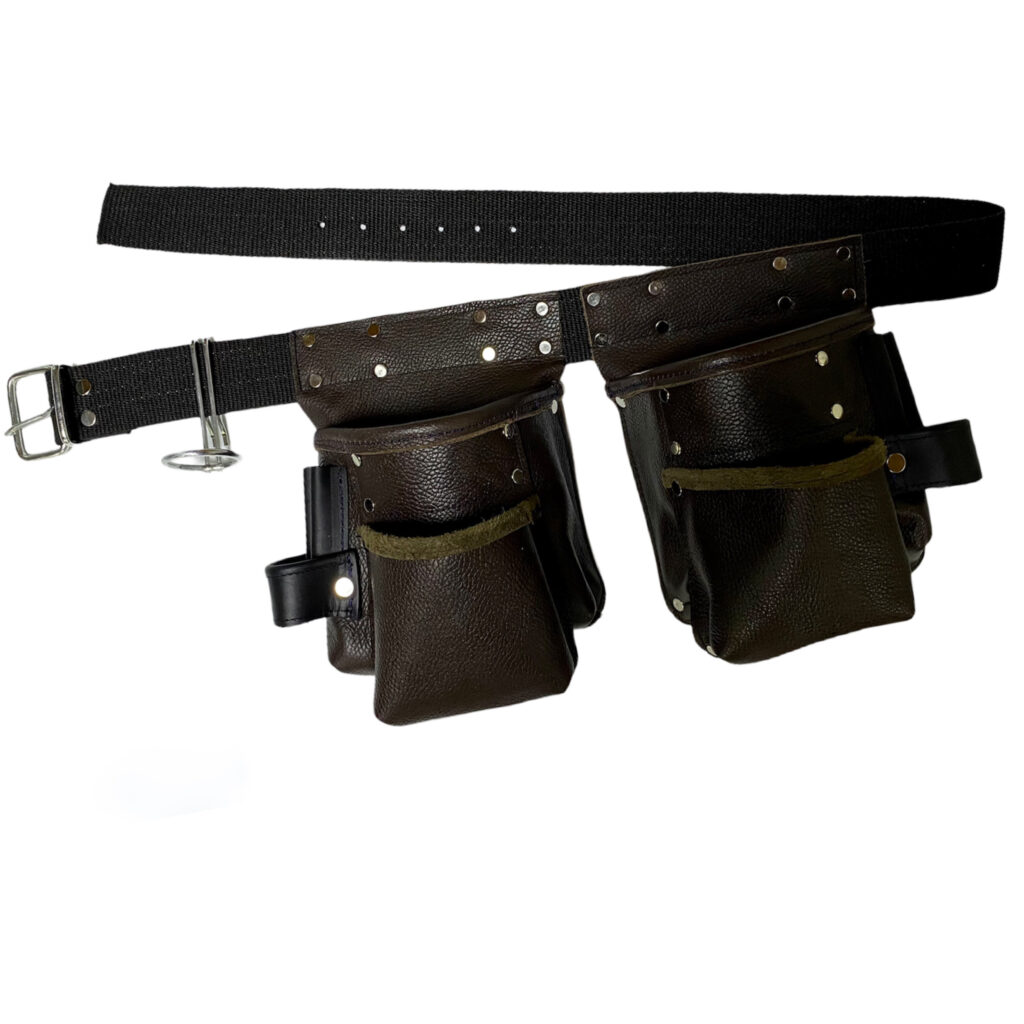
İkizderi leather aprons are made from full-grain genuine leather in our workshop in Gerede, Bolu, and designed to be used for decades with proper care. Quality leather also increases the effect of care; a sturdy leather that is fed regularly hardly ages at all.
How long an apron lasts depends on both the material and the care. When these two come together, the result is a lifetime product. You can review our leather nail apron models and leather master apron range to use for many years, and also take a look at our guide on how long a leather work apron lasts.
Leather Care Schedule: How Often Should You Do What?
Leather apron care takes very little time once the intervals are right. The table below summarises how often each task should be done.
| Task | Frequency | Why It Matters |
|---|---|---|
| Empty the pockets | Every day | Sawdust and dust abrade the leather and stretch the pocket |
| Wipe with a dry cloth | Weekly | Removes surface dust and sweat |
| Clean with a damp cloth | Monthly | Lifts stuck-on dirt and stains |
| Leather cream / conditioning | Every 3-6 months | Stops the leather drying out and cracking |
| Check stitching and rivets | Every 6 months | Catches a loosening point early |
Following this schedule takes a few minutes a day; in return your apron keeps its original strength for years.
If your apron gets oil, paint or cement on it, our leather apron stain removal guide has a solution for every stain type.
Conclusion: Simple Care, Long Life
Caring for a leather nail apron is simply regular cleaning, conditioning every few months, and correct drying. This simple routine can double or even triple your apron’s life. Leather repays the small attention it is shown with strength and beauty for many years.
Remember: even the most expensive leather apron wears out if left uncared for; the most affordable genuine leather apron serves for years with regular care. Care is the common factor that determines every leather product’s life, regardless of brand and price. So building a simple care habit from the day you buy your apron is the smartest decision you can make in the long run.
Starting with an apron made of genuine material and master workmanship lets you get the best return on your care. By reviewing the fully handmade İkizderi leather work equipment, you can choose an apron you can use for a lifetime with proper care.