
 İkizderi
 Types of wall plugs (also called anchors) are surprisingly varied depending on the load to be fixed and the type of wall, and choosing the wrong plug makes even the strongest screw useless. Trying to hang a load on drywall with a plug meant for concrete quickly leads to the wall falling apart. Choosing the right wall plug means a safe, strong and long-lasting connection. In this guide we explain the most-used types of wall plugs step by step — the types by wall and load, choosing diameter and length, and correct installation. By the end, you will know exactly which plug to choose for which wall and load.
What Is a Wall Plug and What Does It Do?
A wall plug is a fixing element that creates a firm grip point in walls, concrete or hollow surfaces where a screw could not hold on its own. When the screw enters the plug, it expands the plug; the plug then presses on the wall and strengthens the connection.
You cannot drive a screw directly into concrete or brick; the screw finds no softness to grip and spins freely. The plug is placed in a pre-drilled hole, and when the screw is fitted, it expands and locks onto the inner surface of the wall. This is how loads like shelves, cabinets, a TV mount or a sink are safely fixed to the wall. The plug’s job is to transfer the screw’s strength safely to the wall; the right plug directly determines how much load the connection will carry.
What Are the Types of Wall Plugs?
The most-used types of wall plugs are the plastic expansion plug, the drywall (cavity) plug, the metal/steel anchor, the chemical anchor and the hammer-in plug. Each is designed for a specific wall type and load.
| Plug Type | Feature | Use |
|---|---|---|
| Plastic expansion plug | Expands as the screw enters | Concrete, brick, solid wall |
| Drywall (butterfly) plug | Opens and leans behind | Drywall, hollow wall |
| Metal/steel anchor | Carries high load, guided | Concrete, heavy load |
| Chemical anchor | Bonds with resin | Very heavy load, facade |
| Hammer-in plug | Fast install by hammering | Cable trunking, skirting |
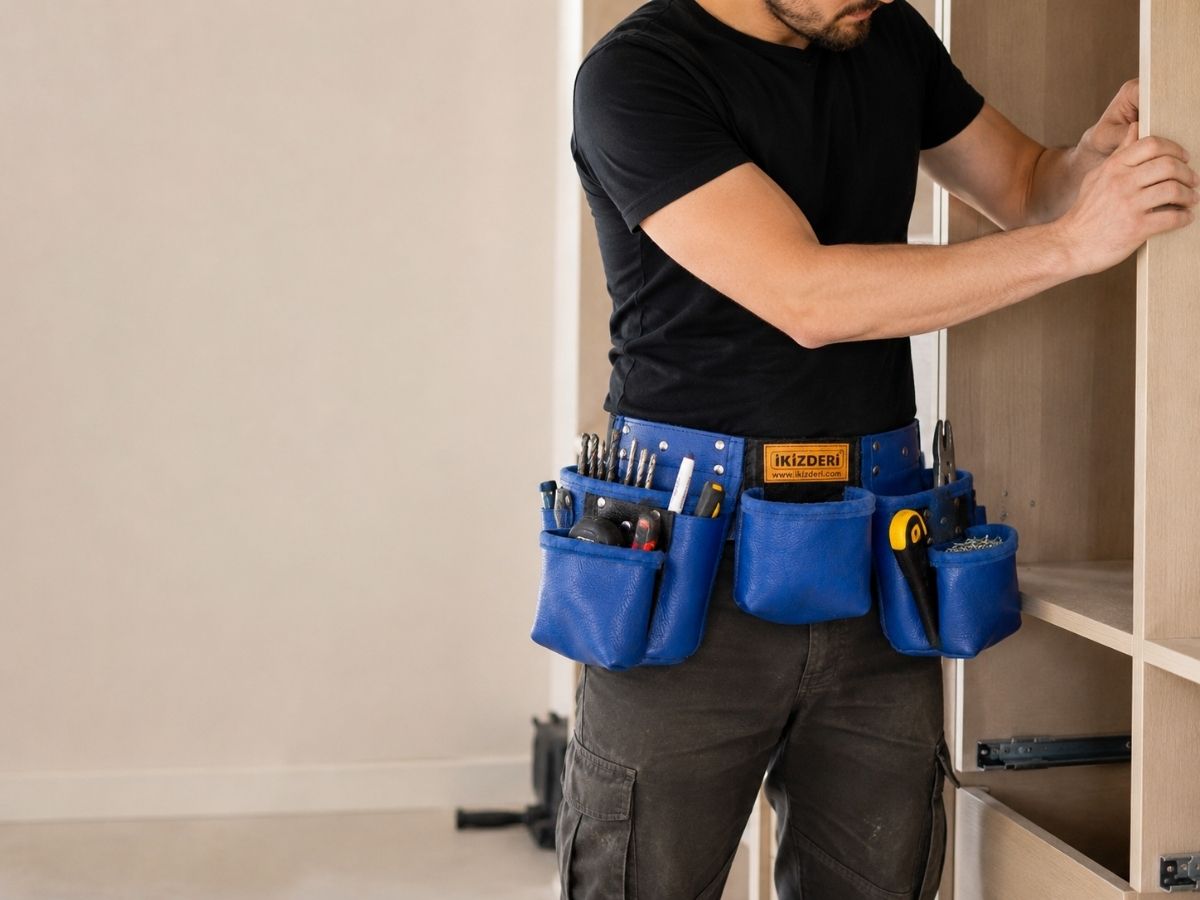
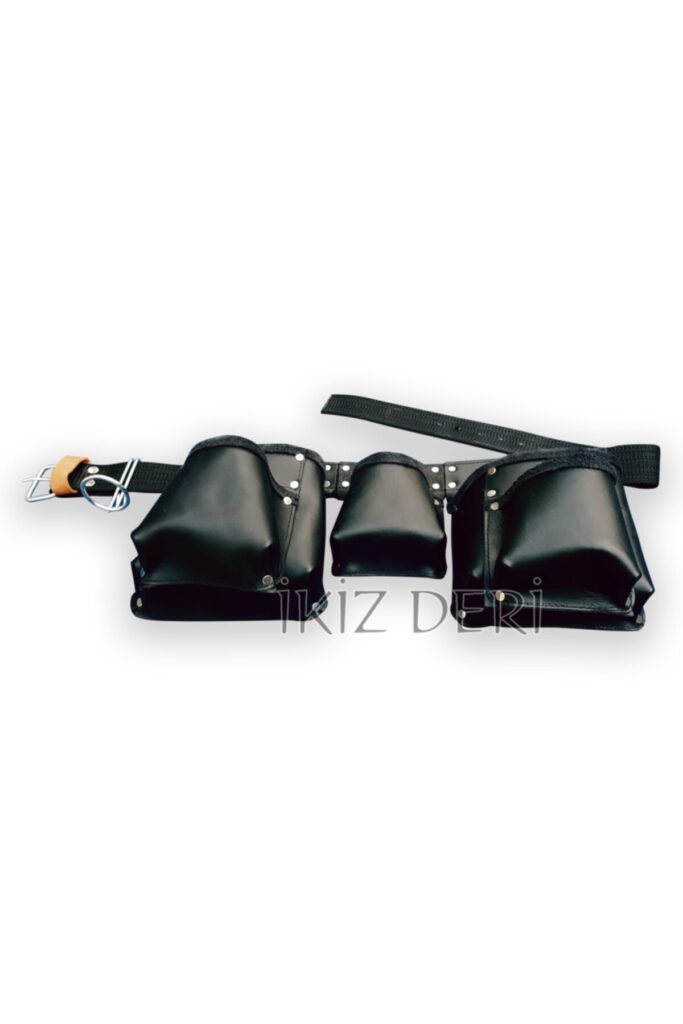
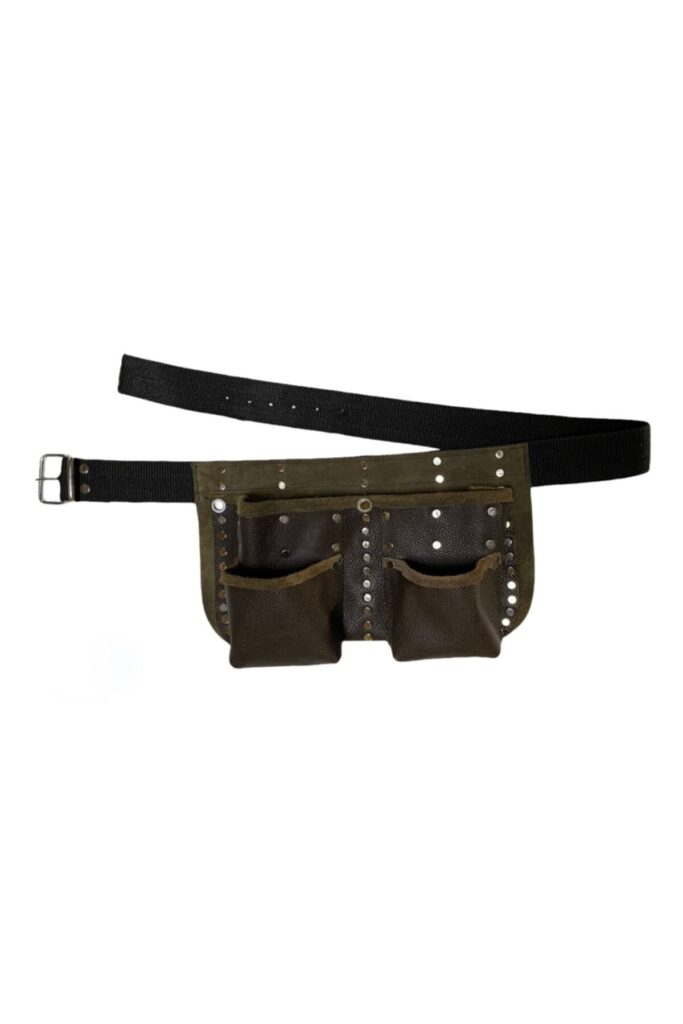
A craftsman uses several of these plug types together in assembly work. Carrying different plugs, screws and hand tools organized clearly speeds up the workflow. You can find the most practical way to keep your tools organized at the waist among our leather nail apron models.
How Does a Plastic Expansion Plug Work?
The plastic expansion plug is the most common type; placed in the hole and, as the screw is fitted, its body expands to press on the inner surface of the wall and locks in. It is ideal for concrete, brick and solid walls.
As the screw enters the plug, it splits the plug into two or four parts and pushes them outward; this expansion wedges the plug inside the hole so it holds. Plastic plugs come in different diameters by color and number; the most common are 6, 8 and 10 millimeters. They work perfectly in solid, hard walls; but in hollow or soft walls they find no surface to expand against and do not hold. That is why a plastic plug should be used only in solid, hard walls.
Which Plug Is Used for Drywall (Hollow Walls)?
For hollow or thin walls like drywall, butterfly plugs, clip plugs or metal cavity plugs are used. These plugs open and spread out behind the wall and lean on the thin surface over a wide area.
A drywall wall is thin and hollow; a normal plastic plug finds no place to expand here and pops out of the hole. A butterfly plug opens like a butterfly behind the wall as the screw is tightened and leans on the back of the drywall, spreading the load over a wide area. Metal cavity plugs (molly) are suitable for heavier loads. While simple clip plugs are enough for hanging a light picture on drywall, it is safest to fix heavy loads like shelves or cabinets directly to the studs in the frame behind if possible. In a hollow wall, the right plug is the basis of safety.
When Do You Need a Metal or Steel Anchor?
Metal and steel anchors are used in installations that carry high loads and where safety is critical. For an air-conditioner outdoor unit, heavy shelf systems, railings and structural connections, a steel anchor is preferred over a plastic plug.
Steel anchors withstand much higher pull-out force because their expansion mechanisms are metal. In work like air-conditioner installation, steel construction and heavy machine fixing, a plastic plug is inadequate and dangerous. For such loads, a metal expansion anchor or chemical anchor is used. When fitting a steel anchor, the hole being clean and the right diameter is important for the anchor to expand fully. In safety-critical connections, you must always choose a metal anchor suited to the load value.
What Is a Chemical Anchor and Where Is It Used?
A chemical anchor is a system that chemically bonds a rod or screw to the wall with a special resin (adhesive) injected into the hole. It is the strongest solution for very heavy loads, facades and vibrating connections.
With a chemical anchor, after the hole is drilled and cleaned, resin is injected and a metal rod is placed inside; when the resin hardens, the rod locks extremely strongly into the wall. Because there is no expansion pressure, this method can be used even near the edge of the material and in places at risk of cracking. It is preferred in safety-critical work like railings, steel columns and heavy facade elements. Although its application is a bit more laborious, its load capacity is higher than all other plugs. Following the resin’s curing time is essential for the strength of the connection.
How Do You Choose Plug Diameter and Length?
The plug diameter is chosen by the diameter of the screw to be used and the load to be carried; the plug length by the soundness of the wall. The heavier the load, the thicker and longer the plug should be.
While a 6 mm plug is enough for light work (a picture, a small shelf), medium loads need 8 mm and heavy loads 10 mm and above. The plug length should ensure the hole is deep enough and the plug is fully embedded in the wall; a half-embedded plug does not hold properly. The screw should be the right diameter to seat fully inside the plug and slightly longer than the plug; too short a screw cannot expand the plug. The right diameter-length match directly determines the load capacity of the connection.
Which Plug Goes in Which Wall?
The right plug is chosen above all by the type of wall: a plastic or metal expansion plug for solid concrete and brick, a butterfly/clip plug for drywall and hollow walls, and a special aerated-concrete plug for aerated concrete.
- Concrete and solid brick: Plastic expansion plug; metal anchor for heavy loads. Drilled with a hammer drill.
- Perforated (hollow) brick: A long plug suited to the cavity or a chemical anchor; the expansion should not fall into the cavity.
- Drywall / hollow wall: Butterfly, clip or metal molly plug; better if the load can be taken to the frame behind.
- Aerated concrete (Ytong): A long, spiral-threaded special aerated-concrete plug; a normal plug does not hold in soft material.
Identifying the wall correctly is the first and most important step of choosing a plug. If you are unsure, drilling a small hole and checking whether the material is solid or hollow is the best thing to do.
How Do You Drill the Right Hole for a Plug?
The hole for a plug should be drilled with a bit exactly the same diameter as the plug’s outer diameter and slightly deeper than the plug length. Too wide a hole leaves the plug loose, and too narrow a hole makes it hard to insert the plug.
When drilling concrete, a hammer drill and a carbide (masonry) bit are used; in drywall, non-hammer mode and a normal bit are enough. After drilling, blowing out or brushing away the dust inside is important for the plug to seat fully; a dust-filled hole weakens the grip. Choosing the right drill bit is half of plug installation; we explain in detail which bit suits which material in our types of drill bits and their uses guide. A clean hole of the right diameter is the basis of a strong plug connection.
Which Plug Is Chosen for Heavy Loads?
For heavy loads, a metal expansion anchor or chemical anchor is chosen instead of a plastic plug. In air conditioners, heavy shelves, railings and structural connections, the plug’s load capacity should be above the load.
Every plug has a load value, and this value changes by plug diameter, wall type and installation quality. For safety, it is generally recommended to choose a plug whose load capacity is several times the actual load (a safety margin). Distributing a heavy load over more than one plug so the load is shared, rather than a single plug, also increases safety. In critical and dangerous loads, following the load table stated by the plug manufacturer is essential. Hanging a heavy load with a cheap, inadequate plug risks both the material and safety.
Why Does Aerated Concrete Need a Special Plug?
Because aerated concrete (Ytong) is a soft and porous material, a normal plastic plug cannot hold inside it; that is why long, spiral-threaded special aerated-concrete plugs are used. These plugs embed into the material with screw-like threads and create a wide contact area.
A normal expansion plug crushes the soft structure of aerated concrete, finds no solid surface to expand against and comes out of the hole. Aerated-concrete plugs, with their long spiral threads, screw themselves into the material and spread the load over a wide area. When hanging heavy loads on aerated concrete, using a chemical anchor if possible is the safest. When drilling aerated concrete, non-hammer mode should be preferred; hammering crumbles the porous material and ruins the hole. Choosing a plug suited to the material is the only way to a safe connection in aerated concrete.
How Do You Match a Plug and a Screw?
A plug and a screw should be matched to each other: the screw diameter should seat fully into the plug’s inner hole, and its length should be long enough to expand the plug fully. A mismatched screw-plug pair will not hold even in the most correctly drilled hole.
On or on the packaging of every plug, the suitable screw diameter and length are stated. Too thin a screw cannot expand the plug enough and the connection stays loose; too thick a screw cracks the plug. The screw length should cover the material thickness plus the whole plug length so the plug opens fully. A wood screw, chipboard screw or special plug screw can be used; what matters is that the thread structure matches the plug. You can find in detail how screw types and sizes match a plug in our types of screws and sizes guide.
What Is a Hammer-In Plug For?
A hammer-in plug (nail-in plug) is a practical plug type that allows fast installation by hammering, without needing to turn a screw. It is widely used in cable trunking, skirting boards, wood battens and light profile installation.
With a hammer-in plug, the plug and its special nail come together; after drilling the hole, the plug is placed and the nail is hammered in to expand the plug. This saves a lot of time when you need to fix many points quickly. For example, when running cable trunking around a room, hammering a nail-in plug at each point is much faster than turning a screw. But hammer-in plugs are usually for light-to-medium loads; for heavy loads, a screw-in expansion or metal anchor should be preferred. It is the practical solution for fast, serial installation work.
How Do You Remove a Fitted Plug?
A fitted plug is cleared by removing its screw and pulling the plug with pliers, drawing it out with a corkscrew-like screw, or pushing it into the wall. The aim is to empty the plug without spoiling the surface too much.
First remove the screw inside the plug completely. If the plug is loose, gripping it with pliers and pulling while turning is enough. To remove a tightly seated plug, fitting a screw slightly thicker than the plug and pulling it by the screw head with pliers works. Stubborn plugs that will not come out can be pushed into the wall with a thin nail and covered over with filler. If you will reuse the old plug hole, filling the hole with filler and fitting a new plug after it dries is the most solid solution. Working patiently without forcing the hole protects the wall surface.
How Do You Tell a Quality Plug?
A quality plug is made from a flexible but durable plastic (or, depending on the job, solid metal), has neat expansion segments and states the suitable screw and load values on it. A cheap, low-quality plug breaks during installation or comes loose under load.
Low-quality plastic plugs, made from a hard, brittle material, crack when the screw is fitted and fall apart without expanding. A good plug, when the screw enters, opens neatly, presses evenly on the wall and carries the load safely. Branded plugs state on their packaging which screw diameter they suit and how much load they carry; this information is valuable for the right choice. In safety-critical installations, using a low-quality plug to save a few cents risks both the connection and safety. The right, quality plug is the most economical choice in the long run.
What Are the Most Common Mistakes When Fitting a Plug?
The most common mistakes are using a plug not suited to the wall type, drilling the wrong diameter hole, not cleaning the hole, and choosing a plug inadequate for the load. These mistakes cause the connection to come loose quickly and the load to fall.
- Wrong wall plug: Fitting a plastic expansion plug in drywall; the plug does not hold and pops out.
- Wrong hole diameter: Too wide a hole leaves the plug loose; too narrow a hole will not seat the plug.
- Dirty hole: A dust-filled hole weakens the plug’s grip; it must be cleaned.
- Inadequate plug: Fitting a thin plastic plug for a heavy load risks the connection and safety.
- Short screw: A short screw that does not fully expand the plug leaves the plug loose.
Most of these mistakes are prevented by identifying the wall correctly and choosing a plug suited to the load and material. An experienced craftsman assesses both the wall and the load before starting the installation.
Which Plug for Which Job? A Quick Guide
To choose the right plug, it is enough to think about the type of wall and the load to be hung. The short guide below shows the right plug for the most common jobs.
- Light-to-medium load on concrete: Plastic expansion plug (6-8 mm).
- Heavy load on concrete: Metal expansion or chemical anchor.
- Light load on drywall: Butterfly or clip plug.
- Heavy load on drywall: Metal molly plug or fixing to the frame behind.
- Aerated concrete: Long spiral-threaded aerated-concrete plug or chemical anchor.
This guide helps you find the right plug for most jobs. When you are unsure, the type of wall and the weight of the load to be hung are the two most decisive factors.
Conclusion: Why Is the Right Plug the Basis of Safety?
Choosing the right plug means a safe, strong and long-lasting connection. The type of wall, the weight of the load and the right diameter-length together determine how strong the connection will be. The wrong plug wastes even the best screw and the most careful installation and creates danger.
If you want to carry your plugs, screws and hand tools organized and within reach all day, you can review the leather nail apron models and all the İkizderi leather work equipment we make entirely from genuine leather in our workshop in Gerede, Bolu.