
 İkizderi
 How to soften leather is a question everyone with a stiffened leather apron, shoe, jacket or glove eventually asks. The good news: genuine leather can almost always be softened again with the right method. Wrong methods, however, can permanently crack or stain the leather. In this guide we explain the ways to soften leather safely and lastingly, step by step — from leather conditioner to natural oils and the correct use of moisture and heat. By the end, you will be able to soften your stiffened leather like a professional, without damaging it.
Why Does Leather Get Stiff and Dry?
Leather gets stiff and dry over time because it loses the natural oils and moisture inside it. Sun, heat, dry air and neglect speed up this process; once leather dries, it loses its flexibility, hardens and eventually cracks.
Genuine leather, coming from a living tissue, holds natural oils inside it and owes its flexibility to these oils. These oils evaporate over time or decrease with heat and sun, and the leather stiffens just like drying skin. Leather left in damp conditions and dried incorrectly can also stiffen. The logic of softening is simple: to give the leather back the oil and moisture it has lost, in a controlled way. When you do this correctly, the leather becomes flexible and soft again.
What Is the Most Effective Way to Soften Leather?
The most effective and safest way to soften leather is to use a colorless leather conditioner or balm. These products give the leather back its lost oil and make it flexible and soft again in a few applications.
A leather conditioner or balm, being made specifically for leather, does not stain, does not spoil the texture and gives a lasting result. The application is simple: you apply a thin layer with a clean, soft cloth, wait a few hours and wipe off the excess. On very dry leather, you may need to repeat this several days in a row. As the conditioner penetrates deep into the leather, the leather softens and regains its flexibility. This method works on both new and old leather products.
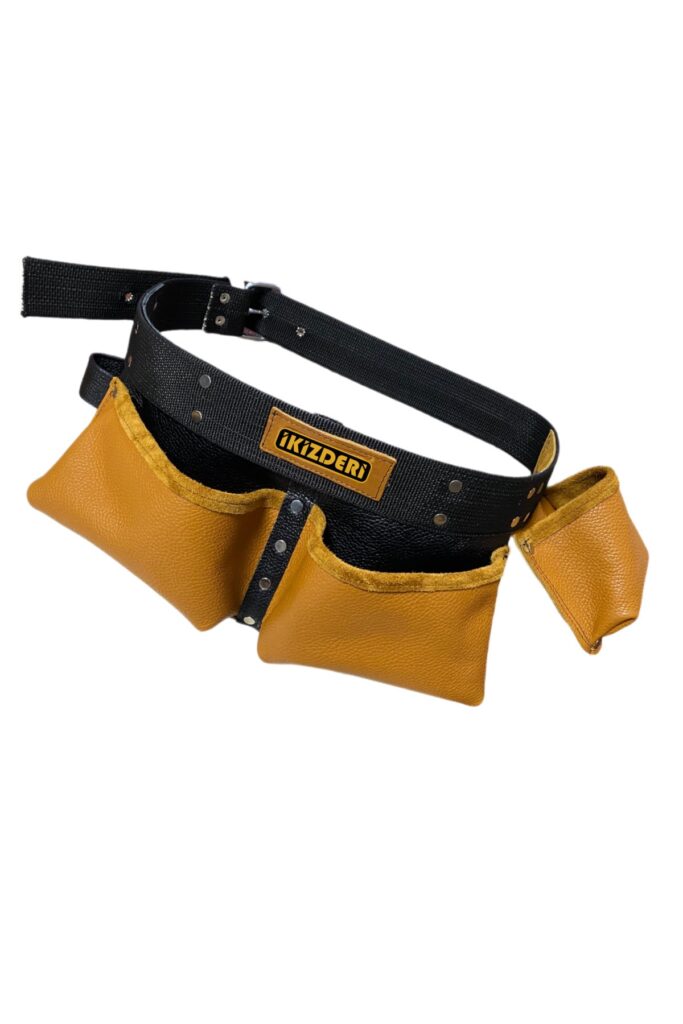
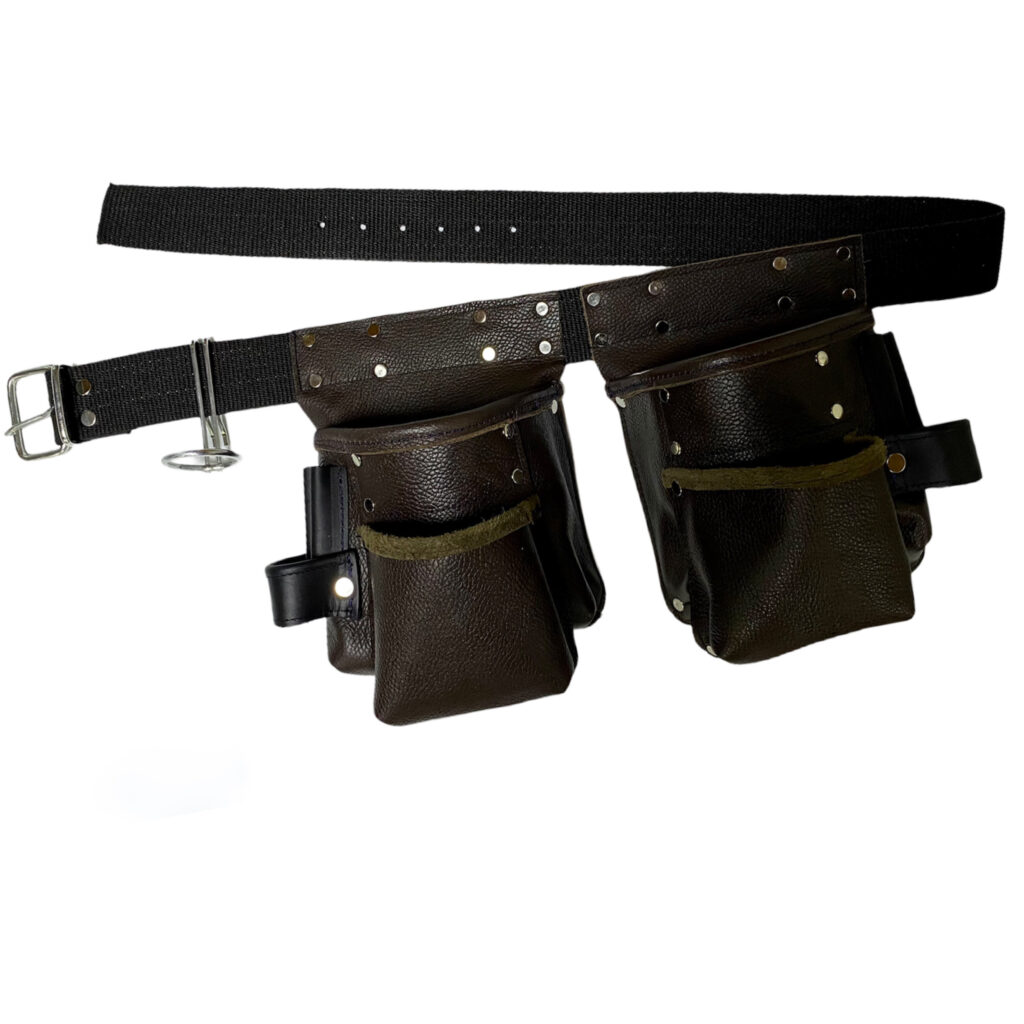
How Do You Soften Leather With Conditioner? Step by Step
Softening with leather conditioner consists of four steps: cleaning, applying, waiting and polishing. When you follow these steps in order, the leather softens safely.
- Cleaning: Wipe the leather with a dry or lightly damp soft cloth; dust and dirt block the conditioner from penetrating.
- Applying: Take a small amount of colorless leather conditioner on your finger or cloth and apply a thin, even layer in circular motions.
- Waiting: Let it sit a few hours so the conditioner penetrates, or overnight on very dry leather.
- Polishing: Wipe off the excess with a clean cloth and lightly polish; the leather will be softened and revived.
If the leather does not soften right away on the first application, repeat it several days in a row. Applying a small amount often gives a far better result than applying a lot of conditioner at once.
Can You Use Natural Oils to Soften Leather?
Natural oils like olive oil, coconut oil or almond oil can soften leather in the short term, but they must be used carefully. These oils can stain some leathers or turn rancid over time and give off a bad smell.
Natural oils can help in an emergency and in small amounts, but they are not as safe as products made for leather. Olive oil in particular, when used too much, can penetrate and darken the leather and leave a stain. If you are going to use a natural oil, first test it on a hidden corner of the leather and apply a very small amount. For a lasting and safe result, the best choice is colorless products made for leather. It is not worth taking risks on a valuable leather product.
Can You Soften Leather With Water and Moisture?
Moisture softens leather temporarily but is not a lasting solution on its own, and it is harmful when used wrongly. Soaking leather in water or over-wetting it makes it even stiffer when it dries.
Light moisture works briefly to stretch leather (for example widening a tight shoe); but when the leather dries, if there is not enough oil inside it, it becomes stiffer than before. That is why when softening with moisture, you must always apply leather conditioner afterward: moisture stretches the leather, conditioner gives back the lost oil. Never dry leather quickly with a radiator, oven or hairdryer; leather dried quickly with heat cracks. The right method is to dry the leather on its own at room temperature and then condition it.
What Are the Risks of Softening Leather With Heat?
Heat can stretch leather temporarily, but high heat permanently dries and cracks the leather. That is why softening with heat is the riskiest method and ruins the leather if you are not careful.
A mildly warm environment or body heat softens leather naturally while you use it; this is safe. But high heat like a hairdryer, radiator or direct sun takes the last moisture out of the leather, stiffening and cracking it. If you need to stretch leather with heat, use only mild warmth and always apply leather conditioner immediately afterward. Remember: heat stretches but also dries; that is why conditioning the leather after heat is essential.
How Does New Leather Soften?
New leather softens most naturally with regular use; with each use the leather stretches with body heat and movement and takes shape to the person over time. You can help this process by applying some leather conditioner.
Genuine leather is a material that softens and grows more beautiful the more it is used; a new leather apron, belt or shoe may feel a little stiff in the first days but shapes to you as you use it. To speed up this natural softening process, conditioning the product with a thin layer of colorless leather cream when you first get it is a good start. Quality full-grain genuine leather both softens faster and does not crack while softening. Being patient with new leather and breaking it in through use is the healthiest softening method.
Can an Old, Stiffened Leather Be Saved?
A stiffened and dried old leather can usually be saved; if the leather has not yet cracked, it is possible to restore its flexibility by cleaning it and applying leather balm a few times. Only leather that has cracked irreversibly cannot be saved.
A leather apron or bag left without care for years may look dead at first glance, but if its fiber structure is sound it can be revived. First remove the dust and dirt with a soft cloth, then apply a thin layer of leather balm and let it sit. When you repeat this several days in a row, the leather slowly softens and its color revives. If the stitching has come apart or the rivets have loosened, these can also be simply repaired. But if the leather has cracked and broken deeply, that area will not return to its old state. That is why conditioning leather before it cracks is always the smartest thing.
What Should You Avoid When Softening Leather?
The mistakes that damage leather most when softening are soaking it in water, applying high heat, applying lots of oil, and using chemicals not made for leather. The table below compares the right and wrong methods.
| Wrong Method | Result | Right Method |
|---|---|---|
| Soaking in water | Stiffens more when dry | Light moisture + then conditioner |
| Hairdryer / radiator | Dries and cracks the leather | Drying at room temperature |
| Applying lots of oil | Stains and gets sticky | Thin layer of colorless cream |
| Detergent / chemicals | Spoils texture and color | Cleaner made for leather |
| Leaving in the sun | Fades color, dries it out | Shade, cool environment |
Avoiding these mistakes and working with products made for leather gives both a safer and a more lasting result. Leather always gives its best in return for patience and the right product.
Is There a Difference in Softening by Leather Type?
Yes; the softening method changes by leather type. Classic (aniline/full-grain) leather is easily conditioned with cream, while matte-surfaced leathers like suede and nubuck should be treated with special suede care products instead of cream.
Smooth-surfaced classic genuine leather easily absorbs colorless cream and balm and softens. But napped-surface leathers like suede and nubuck stain and lose their texture when cream is applied; for these, a suede brush and special suede sprays are used. Patent (glossy-coated) leather, being already coated, needs different care. That is why it is important to know the type of leather you have before softening. To recognize genuine leather and tell its type, you can see our how to tell if leather is real guide.
How Do You Soften a Leather Apron and Gloves?
Frequently used products like a leather work apron and gloves are kept soft with regular use and conditioning every few months. Since these products are exposed to sweat and dust, cleaning and conditioning are even more important.
A leather work apron is exposed to sawdust, sweat and friction all day, which dries the leather over time. A simple cleaning and a thin layer of leather cream every few months keep the apron both soft and durable. In leather gloves, softness is critical for fit and grip, so regular conditioning is very important. A well-kept leather apron keeps its original flexibility for years, even decades. You can find all the ways to extend a leather apron’s life in our how long does a leather work apron last guide.
Which Product Should You Choose to Soften Leather?
The right product is chosen by the type of leather you have and your purpose: colorless leather cream or balm for classic genuine leather, special suede products for suede, and a light cream for daily care. Choosing a colorless product is always the safest.
When buying a leather product, it is important to look at its content and its suitability for the leather type. A good leather cream or balm contains natural oils and waxes; it penetrates deep into the leather and leaves no stain. Since colored care products can leave a mark if they are not the same tone as the leather, choose the colorless one if you are unsure. Also, choosing known brands made for leather is far safer than homemade mixtures. On a valuable leather apron or bag, a small investment in the right product extends the product’s life by years. Always test the product on a hidden corner before using it for the first time.
How Does Softened Leather Stay Soft?
For softened leather to stay soft, regular care is essential: leather conditioner every few months, storage away from heat, and correct cleaning. One-time softening is not enough; if the leather is not conditioned regularly, it dries again.
Leather, like a living tissue, needs regular care; leather you soften once can stiffen again within a few years if left without care. To prevent this, it is enough to condition the leather with colorless cream every few months and store it in a cool, dry place away from sun and heat sources. Drying it at room temperature when wet and then conditioning it also preserves the softness. These simple habits keep your leather product soft, flexible and alive for years.
What Is the Difference Between Leather Cream and Leather Balm?
Leather cream is usually lighter, for daily conditioning and polishing; leather balm is more intense, for deeply softening dried and stiffened leather. Both, when chosen colorless, do not stain the leather.
Leather cream is ideal for regular care; it is applied in a thin layer and both feeds and lightly polishes the leather. Leather balm has a more oily, intense structure, so it is more effective for reviving very dried, long-neglected leather. When rescuing a very stiffened apron or bag, balm gives a faster result than cream. Using cream for daily care and balm for rescue work is the most sensible approach. Choosing the colorless one in both eliminates the risk of spoiling the color.
How Often Should Leather Be Conditioned?
In normal use, conditioning leather every few months (about every 3 months) is enough. On heavily used work leather exposed to sweat and dust, this interval can be more frequent; when the leather starts to look dry and matte, it is time to condition.
Applying more cream than the leather needs does not soften it but makes it sticky, so you should not overdo the care interval. The best measure is the look and texture of the leather: if the surface has gone matte and feels dry and stiff to the touch, it is time to condition. Regular but measured care keeps leather both soft and healthy. A conditioning done at seasonal changes (especially before the dry winter months) protects the leather against drying. This simple rhythm significantly extends the life of your leather product.
How Do You Dry and Soften Wet Leather?
Wet leather should never be dried with a heat source, but at room temperature and naturally. After the leather is fully dry, it is conditioned with a thin layer of leather cream to restore its softness.
When leather gets wet, it also loses some of the natural oils inside it, so if dried wrongly it stiffens and cracks. The right method is to remove the excess water with a soft cloth and dry the leather on its own, without distorting its shape, in a cool and airy place. A radiator, sun or hairdryer is the biggest mistake at this stage. When the leather is completely dry, always apply a coat of colorless cream to give back the lost oil; this way the leather softens and no water stain remains. We also explain how to care for leather tool belts and aprons when they get wet in our separate guides.
What Are the Most Common Mistakes When Softening Leather?
The most common mistakes are applying lots of product out of impatience, applying the wrong product to the wrong leather type, drying quickly with heat, and skipping the conditioning step. These mistakes wear the leather more instead of softening it.
- Too much product: Applying lots of cream or oil at once stains and gets sticky; apply little and often.
- Wrong product: Applying classic cream to suede ruins its texture; use a product suited to each leather type.
- Quick drying: Drying with heat cracks the leather; always dry at room temperature.
- Skipping conditioning: Stretching with moisture and not applying cream leaves the leather stiffer than before.
- Impatience: Instead of expecting a result in one application, repeat the process for a few days.
Most of these mistakes are prevented with patience and products made for leather. Softening leather is a matter of patience; done with the right product and without rushing, the result is always lasting.
To remove stains from leather, see our leather apron stain removal guide.
Conclusion: The Right Care Keeps Leather Soft for Years
Softening leather is simply giving back the oil and moisture it has lost with colorless cream or balm, patiently and with the right method. When you avoid heat, excess water and wrong chemicals, genuine leather almost always softens and revives again.
Genuine leather that is cared for correctly stays soft, flexible and beautiful for years. You can review the leather nail apron models and all the İkizderi leather work equipment we make entirely from genuine leather — lasting for decades with the right care — in our workshop in Gerede, Bolu.