
 İkizderi
 Types of hammers look almost the same at first glance, but they are surprisingly different depending on the job. The hammer a carpenter uses and the sledge a builder swings are designed completely differently — in weight, head shape and handle structure. Choosing the right hammer directly affects the speed of the work, the cleanness of the result and, most importantly, your safety. In this guide we introduce the most-used types of hammers one by one — by use, head shape, weight and handle material. By the end, you will know exactly which hammer to choose for which job.
What Parts Does a Hammer Have?
A hammer is basically made of three main parts — the head, the neck and the handle. One face of the head is the striking face; the other end can be a claw, a point or a flat face depending on the job. The structure of these parts determines what job the hammer suits.
The head is usually made from hardened steel and is the part that carries the impact. The neck is the transition that connects the head to the handle and is the most stressed area at the moment of impact. The handle can be wood, fiberglass or steel; it determines both the grip and the vibration transferred to your hand. When choosing a hammer, you should look not only at the weight but also at the head shape and handle material.
What Are the Types of Hammers by Use?
By use, the best-known hammers are the carpenter’s (claw) hammer, the framing hammer, the sledgehammer, the rubber/plastic mallet, the stone hammer and the blacksmith (forging) hammer. Each is designed for a specific job and material.
| Hammer Type | Feature | Use |
|---|---|---|
| Carpenter’s (claw) hammer | One flat face, one claw for pulling nails | Woodwork, driving and pulling nails |
| Framing hammer | Heavy head, claw or ripping face | Rough construction, formwork, nailing |
| Sledgehammer | Very heavy, two flat faces, long handle | Demolition, driving stakes, rubble |
| Rubber/plastic mallet | Soft head, leaves no mark | Flooring, furniture assembly, sheet metal |
| Stone hammer | One flat face, one chisel/point | Breaking stone, brick, rubble |
| Blacksmith (forging) hammer | Heavy, balanced head | Shaping metal, anvil work |
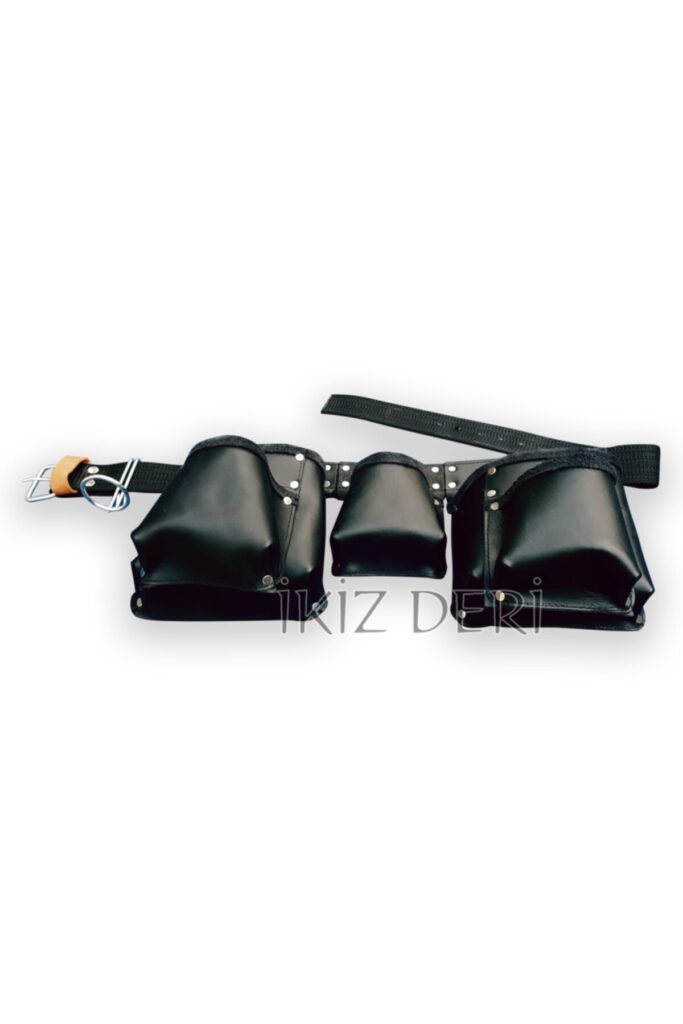
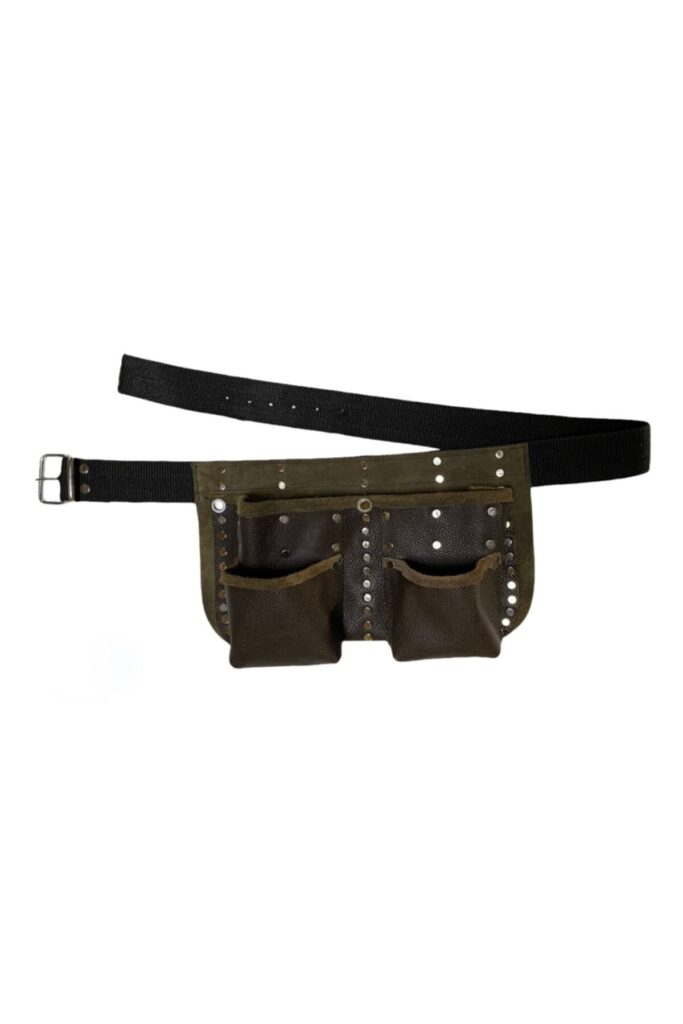
A craftsman may use several of these types together during the day. Carrying nails, chisels and hand tools organized alongside the hammer clearly speeds up the workflow. You can find the most practical way to keep your tools organized at the waist among our leather nail apron models.
What Is a Carpenter’s (Claw) Hammer For?
A carpenter’s hammer is the most common type, with one flat face for driving nails and a forked claw at the other end for pulling them. It is the indispensable tool of woodwork, furniture, formwork and general assembly.
The claw end easily removes wrongly driven or unwanted nails using leverage. The flat face drives the nail cleanly into the wood. Carpenter’s hammers are usually 300-450 grams (about 16-20 oz); this weight gives enough impact for most woodwork without tiring the hand. A lighter carpenter’s hammer is preferred for fine work and a heavier one for rougher work.
What Is the Difference Between a Sledgehammer and a Framing Hammer?
A sledgehammer is very heavy, with two flat faces and a long handle; it is used for demolition, driving stakes and rubble work. A framing hammer is lighter, usually with a claw or ripping face, and is used for driving nails and formwork.
The sledgehammer is meant to produce great impact force when swung with two hands, so it ranges from 2 kilos up to 5-10 kilos. A framing hammer is used with one hand and works mostly with nails. Confusing the two is both inefficient and dangerous: you cannot do fine nail work with a sledge, nor break concrete with a light hammer. Choosing the right weight for the right job is essential.
When Do You Use a Rubber or Plastic Mallet?
A rubber or plastic mallet is used when you need to strike a material without leaving a mark on its surface. It is preferred for flooring, furniture assembly, straightening sheet metal and seating delicate parts.
A normal steel hammer leaves dents and nicks when it hits a delicate or coated surface. A soft-headed mallet transmits the impact but does not damage the surface. For example, seating laminate pieces together when laying flooring, driving dowels in furniture assembly, or straightening a sheet are all ideal jobs for a rubber mallet. Plastic heads are used for metal parts and rubber heads for softer work.
How Do You Choose Hammer Weight?
Hammer weight is chosen according to how rough the job is: 200-300 grams for fine woodwork, 300-450 grams for general carpentry, and 500 grams and above for rough construction and formwork. As the weight increases, the impact force increases but the hand tires faster.
Too light a hammer needs many strikes to drive a nail and wastes time. Too heavy a hammer makes control harder in fine work and tires the hand. The right weight is the one that finishes the job with the fewest strikes and the least fatigue. For a craftsman who uses a hammer all day, the right weight also matters for wrist and elbow health.
Should a Hammer Handle Be Wood, Fiberglass or Steel?
A hammer handle can be wood, fiberglass or one-piece steel; each has a different advantage. A wooden handle absorbs vibration well and is light; a fiberglass handle is strong and balanced; a steel handle is the most durable but transfers the most vibration.
- Wooden handle: Absorbs vibration best; puts the least load on the hand and is easy to replace if it breaks. But it can be damaged over time by moisture and impact.
- Fiberglass handle: Both strong and good at damping vibration; resistant to moisture and impact. It is the most balanced choice today.
- Steel handle: Being one piece, the head-handle joint never loosens; it is the most durable but transfers the most vibration, usually softened with a rubber grip.
For a craftsman swinging a hammer all day, vibration is an important issue; that is why a wooden or good fiberglass handle protects wrist health in the long run. In heavy demolition, the durability of a steel handle comes to the fore.
What Is the Claw of a Claw Hammer For?
The fork (claw) at the back end of a claw hammer is used to remove wrongly driven or unwanted nails using leverage. This is one of the most practical features of woodwork and assembly.
To pull a nail, you fit the claw over the nail’s head and press the handle backward; the leverage slowly draws the nail up. On long nails, placing a small block under the claw both lengthens the lever arm and protects the wood surface. Straight-claw hammers are more suited to driving, while curved-claw hammers are more suited to pulling nails.
How Do You Use a Hammer Correctly and Safely?
The basis of using a hammer correctly is to grip the end of the handle and take the strike from the arm, not the wrist. This gives both a stronger and a more controlled blow and keeps the wrist from tiring.
Holding the handle near the head increases control but reduces power; holding the end strengthens the blow. Seating the nail with a few light taps and then driving it at full force after pulling your fingers back gives both a safe and clean result. During driving, the hammer face should land square on the nail; a crooked strike bends the nail and lets the face slip. Wearing goggles is important, especially in hard nail and concrete work, against flying pieces.
What Do You Do If the Hammer Handle Loosens?
When the head of a wooden-handled hammer loosens, the wedge (metal or wood) at the top of the handle is tightened or replaced to firm the head again. Working with a loose head is extremely dangerous and the head can fly off.
A wooden handle loses moisture over time, shrinks, and the head starts to move. Wetting the handle is a temporary fix, but the permanent solution is to replace the wedge at the top of the handle or renew the handle entirely. This problem almost never happens with fiberglass and steel-handled hammers, which makes them safer for heavy work. You should never work with a hammer whose head is moving.
How Do You Maintain a Hammer?
The basis of hammer maintenance is to keep the head clean and free of rust, to check the handle regularly for cracks, and not to store it in a damp place. Simple care extends a hammer’s life by years.
A steel head rusts from moisture, so drying it when wet and applying a thin oil now and then is enough. A wooden handle should be checked for cracks and splinters, sanded and lightly oiled if needed. Not dropping the hammer from the waist or the tool bag matters for the life of both the head and the handle. A sturdy leather tool belt is a practical way to protect your tools from impact and falls.
What Are the Most Common Mistakes When Choosing a Hammer?
The most common mistakes are choosing the wrong weight for the job, using a steel hammer on a delicate surface, working with a loose-handled hammer, and working with a low-quality hammer for a long time. These mistakes both ruin the work and put safety at risk.
- Wrong weight: A heavy hammer for fine work or a light one for rough work both tires you and is inefficient.
- Wrong head: Hitting a coated surface with a steel hammer leaves dents and nicks; a mallet is needed.
- Loose handle: A hammer with a moving head can fly off; it must be checked before working.
- Low-quality hammer: Cheap steel cracks over time, the face deforms and the nail slips.
- Working without goggles: In hard nail and concrete work, a flying piece can injure the eye.
Most of these mistakes are prevented by choosing the right hammer for the job and checking the tool regularly. An experienced craftsman decides which hammer to use based on the material and how rough the job is before starting.
How Do You Match a Hammer to Nail Size?
A hammer should match the size of the nail being driven: a light hammer for small nails and fine work, a heavy hammer for long, thick nails. The wrong match either bends the nail or causes needless fatigue.
For thin panel pins and small assembly nails, a 200-300 gram hammer is enough; a light hammer drives a small nail in a controlled, straight way. For 7-10 cm construction nails, a hammer of 450 grams and above is needed, because the heavy head drives the thick nail with fewer strikes. Trying to drive a long nail with a light hammer both bends the nail and tires the arm. Matching the hammer and the nail is the first step to a clean, strong joint; for the different nail types you can see our types of nails and their uses guide.
How Do You Prevent Wrist and Arm Pain When Hammering?
The way to prevent wrist and arm pain during long hammering is to choose a handle that absorbs vibration well, take the strike from the arm rather than the wrist, and take breaks. For craftsmen who swing a hammer all day, this is a long-term health matter.
Vibration damages the wrist and elbow over time with repeated blows. A wooden or good fiberglass handle largely dampens this vibration. Gripping the handle firmly but comfortably rather than loosely, spreading the blow through the whole arm, and choosing a hammer of the right weight also reduce the load. A nail driven with the right technique needs fewer strikes and tires the hand less. Taking short breaks when you feel pain prevents tendon problems in the long run.
When Should a Hammer Be Replaced?
A hammer should be replaced when the striking face is dented and mushroomed, the edges chip, the handle cracks beyond repair, or the joint between the head and handle loosens permanently. These signs both ruin the work and carry a serious safety risk.
Over time the striking face dents and spreads out at the edges; this is called “mushrooming,” and these sharp edges can throw off fragments during work and cause injury. You should never work with such a head. If the wooden handle has a deep crack or splinters and tightening the wedge no longer helps, the handle should be replaced. On most hammers, renewing just the handle is enough; if the head is sound, the hammer can be used for years more with a new handle. But if the head face is chipped or cracked, the whole hammer should be replaced. A quality forged-steel hammer usually lasts well beyond decades with proper care, which is why investing in a good tool from the start is more economical in the long run.
How Do You Tell a Good Hammer?
A good hammer has a hardened forged-steel head, a strong, vibration-absorbing handle, and a tight head-to-handle joint that does not loosen. A quality hammer serves for years without deforming.
Hammers made from cheap cast steel deform at the face over time, can chip at the edges and let the nail slip easily. A forged-steel head is far more resistant to impact. The area where the handle seats into the head should be solid and gap-free, and a wooden handle should have no cracks. A hammer that feels balanced in your hand, with its weight gathered in the head, is a good hammer. A good tool is more economical in the long run, because you do not have to replace it often.
Which Hammer for Which Job? A Quick Guide
To choose the right hammer, it is enough to think about the type of job and the material. The short guide below shows the right hammer for the most common jobs.
- Wood and furniture: A 300-450 gram claw carpenter’s hammer.
- Rough construction and formwork: A heavy-headed framing hammer.
- Demolition and driving stakes: A sledgehammer of 2 kilos and above.
- Flooring and furniture assembly: A rubber or plastic mallet.
- Stone, brick, rubble: A stone hammer with a chisel point.
This guide helps you find the right hammer for most jobs. When you are unsure, the hardness of the material and how rough the job is are the two most decisive factors.
No nail goes in straight without measuring first; our how to read a tape measure guide helps you get it right.
Conclusion: Why Does the Right Hammer Matter?
Choosing the right hammer directly determines the speed of the work, the cleanness of the result and your safety. Head shape, weight and handle material together reveal which job a hammer suits. The wrong hammer can waste even the best workmanship and tire you out.
If you want to carry your hammer, nails and hand tools organized and within reach all day, you can review the leather nail apron models and all the İkizderi leather work equipment we make entirely from genuine leather in our workshop in Gerede, Bolu.