
 İkizderi
 A machinist apron and metalworker apron is the protective equipment most needed by craftsmen working at the lathe, mill and grinder. Machining is full of hot metal chips, sharp burrs, cutting fluid and constant friction; a fabric apron wears out quickly in these conditions. This is where genuine leather comes in: leather holds hot chips and sharp metal particles on its surface, resists cutting fluid and oil, and protects the craftsman and their clothing. In this guide we explain why a machinist and metalworker apron should be made of leather, its features, protection, care and custom/bulk production options for workshops.
İkizderi · Genuine Leather
A Leather Apron for Machinists & Metalworkers
Genuine leather resistant to hot chips, burrs and cutting fluid. Single piece or custom/bulk for your workshop.
Why Should a Machinist Apron Be Made of Leather?
A machinist apron should be made of leather because leather is far more durable than fabric against hot metal chips, sharp burrs, cutting fluid and oil. Fabric aprons are punctured by chips, stained by oil and wear out quickly; genuine leather resists these harsh conditions and protects the craftsman.
Machining is a field where metal is cut on the lathe, mill and grinder, constantly producing hot chips and sharp burrs. A cotton or synthetic apron is punctured by hot chips flying off the machine and rots when stained by cutting fluid and oil. Genuine leather, thanks to its dense and natural structure, holds these chips on its surface and resists oil and cutting fluid. That is why for machinists, mill operators and metalworkers a leather apron is the safest option against both hot chips and an oily, chemical environment. A metalworker’s apron determines not only the protection of clothing but also comfort and safety over long working hours, so material choice matters.
What Features Should a Good Leather Machinist Apron Have?
A good leather machinist apron should be made of strong genuine leather, resistant to hot chips and oil, with pockets for measuring tools, adjustable straps and a design that allows free movement at the machine. These features improve both protection and work efficiency.
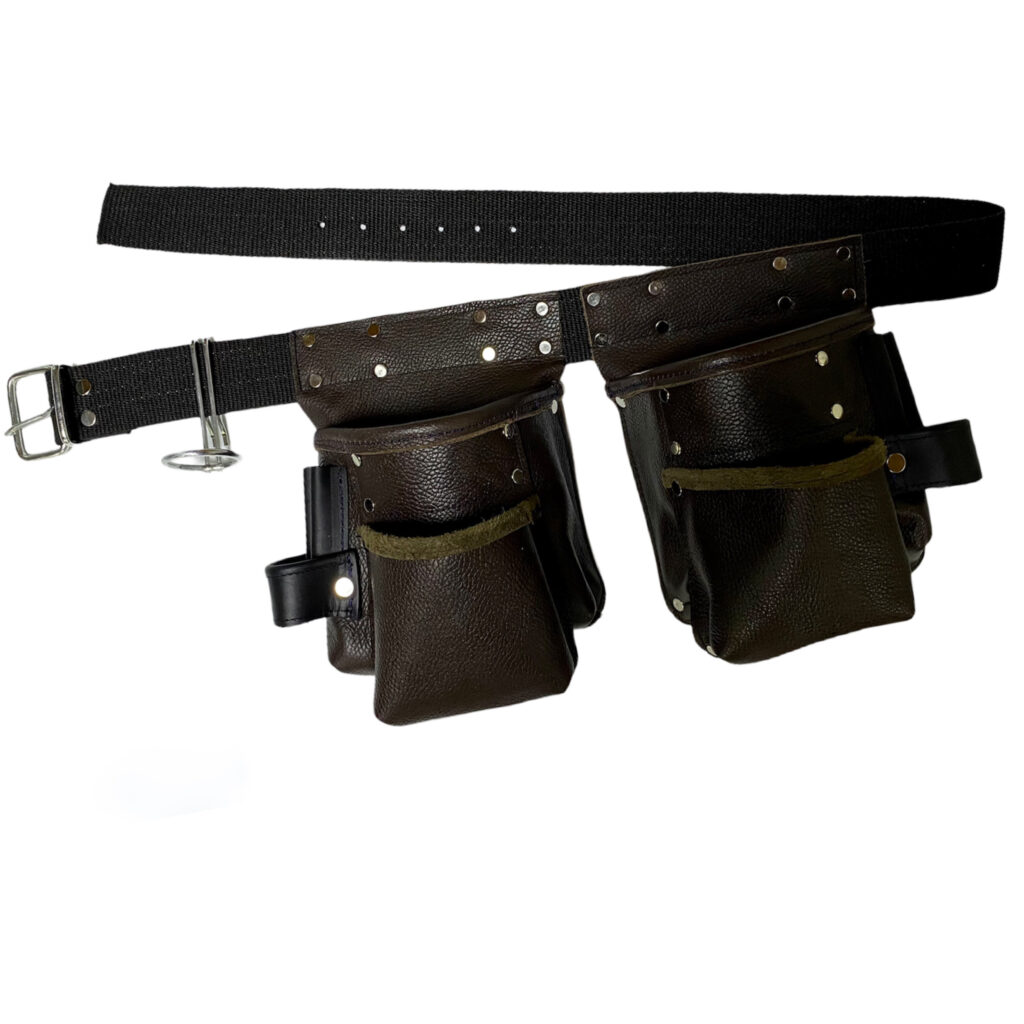
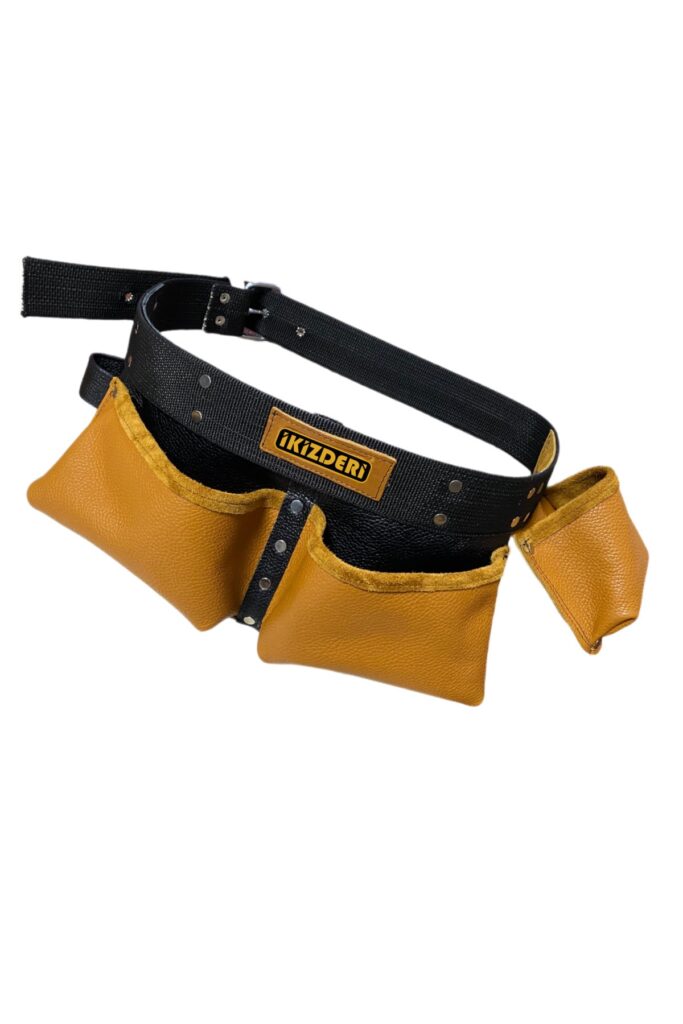
- Strong genuine leather: A strong barrier against hot chips, burrs and friction.
- Oil and fluid resistance: Cutting fluid and oil do not soak in easily and wipe off.
- Practical pockets: For calipers, micrometers, pencils and small tools.
- Adjustable straps: Fit the body for free movement at the machine.
- Strong stitching: Carries the load of heavy tools and constant movement for years.
When these features come together, the machinist apron becomes both protective and work-easing. An apron made of thin or low-quality leather is both inadequate in hot chips and oil and wears out quickly. So in metalwork, leather quality and stitching strength are decisive.
What Does a Machinist Apron Protect the Body Against?
A leather machinist apron protects the front of the body and clothing against hot metal chips flying off the machine, sharp burrs and metal particles, splashing cutting fluid and oil, and sharp edges. This protection provides both safety and cleanliness in machining.
As metal is cut on the lathe and mill, hot chips and sharp burrs constantly scatter around; these both scratch the skin and puncture clothing. A leather apron stops these chips and particles on its surface, preventing them from reaching the skin and clothing. Also, the cutting fluid and oil used during cutting splash constantly; leather holds these fluids on its surface without absorbing them and wipes off easily. In metalwork, along with the apron, goggles, suitable gloves and footwear are part of work safety. The leather apron is the most important link in this protection chain covering the front of the body; it is indispensable for a craftsman working in machining.
Workshop · Bulk / Logo Production
Custom Production for Your Metalworking Shop
In the pocket layout and length you need, for your whole workshop team. Get a quote now.
What Is the Difference Between a Machinist Apron and a Welder Apron?
A machinist apron focuses on protection against hot chips, burrs, oil and cutting fluid, while a welder apron mainly protects against the high heat, sparks and UV rays of welding. Both are made of leather, but their priorities differ.
In a welder apron, the main threat is the intense heat radiated by the arc, splashing molten metal and sparks; so a welding apron usually has a thicker, fully covering structure. In a machinist apron, the threat is more about hot chips, sharp burrs and an oily, fluid environment; here pocket layout, freedom of movement and oil resistance come to the fore. In both trades leather is the right material, but because the machinist works constantly at the machine and with measuring tools, the apron being pocketed and comfortable becomes important. You can find details about welding work in our welder apron guide.
How Should the Pocket Layout of a Machinist Apron Be?
The pocket layout of a machinist apron should keep calipers, micrometers, pencils, hex keys and small measuring tools within reach. The right pocket layout prevents the machinist from constantly walking back and forth for tools and speeds up the work.
In machining, the craftsman measures constantly; precise tools like calipers and micrometers change hands frequently. Carrying these tools neatly at the waist saves time and keeps the tools from getting covered in chips and oil on the machine. A good machinist apron should have separate, sturdy pockets for precise measuring tools and a pencil slot. Reinforced pocket openings prevent sharp tools from tearing the pocket quickly. Carrying tools neatly at the waist makes the work at the machine both faster and safer.
Does a Leather Machinist Apron Resist Cutting Fluid and Oil?
Yes; quality genuine leather resists cutting fluid and oil far better than fabric. Fluid and oil do not soak into leather as quickly as fabric; they stay on the surface and can be wiped off, which both extends the apron’s life and protects clothing.
In machining, cutting fluid and oil are used constantly; these fluids soak into a fabric apron, causing stains, odor and rot. Genuine leather, thanks to its dense structure, does not absorb the fluid immediately; oil and fluid that build up on the surface are cleaned off with a damp cloth. A regularly maintained leather apron keeps its flexibility and strength in an oily, fluid environment. The key is to clean off the accumulated oil regularly and condition the leather occasionally. With proper care, leather lasts for years in the oily conditions of a metalworking shop.
Is a Leather Apron Suitable for Mill, Grinder and CNC Operators?
Yes; a leather apron is also suitable for operators working at the mill, grinder and CNC machine. Since hot chips, burrs, metal dust and oil also arise at these machines, a leather apron both protects clothing and allows tools to be carried neatly.
In milling and grinding work, metal chips, sparks and dust are also released constantly; hot metal dust flying during grinding easily burns fabric clothing. A leather apron stops this dust and chips on its surface and protects the craftsman. At CNC machines, the operator contacts oil and chips while clamping parts, measuring and cleaning; a leather apron keeps clothing clean here too. So at every machine that works metal, a pocketed, durable leather apron is a practical and safe solution.
What Is the Difference Between a Leather Machinist Apron and a Fabric Apron?
A leather machinist apron is far more resistant to hot chips, oil and friction than a fabric apron. A fabric apron is cheap and light but is punctured by chips, stained and rotted by oil, and wears out quickly. The table below summarizes the difference.
| Feature | Fabric Apron | Leather Machinist Apron |
|---|---|---|
| Hot chip resistance | Punctures, burns | Holds on surface, resists |
| Oil/fluid resistance | Soaks in, stains | Wipes off, resists |
| Tool carrying | Weak pockets | Strong pockets, holds tools |
| Life | Short | Lasts for years |
| Cleaning | Washed, dries slowly | Wiped, practical |
As the table shows, in machining leather is ahead of fabric in both durability and functionality. A fabric apron may seem cheap at first, but being punctured by chips, rotted by oil and frequently replaced turns into a disadvantage in the long run. For a metalworker who values their work, a leather apron is the right choice.
How Do You Clean and Care for a Leather Machinist Apron?
A leather machinist apron is cleaned by shaking off surface chips, wiping the oil with a damp cloth and conditioning with leather cream occasionally. Since oil and cutting fluid build up on the surface, regular cleaning preserves both the look and the life.
A machinist apron is exposed to metal dust, chips and oil by the nature of the job, which can build up and dirty the leather. First shake off or brush away the surface chips and dust, then wipe the oil with a well-wrung damp cloth. When the leather is dry, applying a thin layer of colorless leather cream feeds the surface and prevents the drying caused by oil. Never dry the leather with a heat source; dry it at room temperature. You can find all the details of leather care in our how to soften leather and leather apron stain removal guides.
How Long Should a Machinist Apron Be?
A machinist apron should reach from the chest to above or below the knee; instead of very long models, lengths that do not pass the knee are preferred for free movement at the machine. The balance between coverage and freedom of movement is important.
At the lathe and mill, the craftsman works standing and constantly leans forward to check the part; so the apron should protect the front of the body and upper legs but not restrict movement. A very long apron can get in the way at the machine; a very short apron leaves the upper legs exposed. A length from the chest to around the knee is ideal for most machinists and metalworkers. The apron’s length should be chosen according to the type of machine you work at and your working position.
How Long Does a Machinist Apron Last?
A good leather machinist apron lasts for years with proper use and care, often over a decade; even in oily and chip-filled conditions, quality leather is long-lasting. While fabric aprons wear out quickly, a leather apron endures for years.
Machining challenges leather with oil, fluid and friction; still, quality, strong leather withstands these conditions for a long time. The apron’s life depends on leather quality, work intensity and care. A regularly cleaned and occasionally conditioned leather apron is used for years without cracking. You can find more about the general life of a leather work apron in our how long a leather work apron lasts article. In the long run, leather is both a safer and more economical choice than fabric.
Do You Produce Custom/Bulk Leather Aprons for Metalworking and Machining Workshops?
Yes; at İkizderi we produce custom and bulk genuine leather aprons for machinists, mill and grinder operators, CNC craftsmen and metalworking workshops. We produce in the pocket layout, length and design suited to your needs, by hand in our workshop in Gerede, Bolu.
Aprons for machining require strong leather and stitching to withstand oil and hot chips; we produce according to this need. Production is possible for a single craftsman as well as for a workshop’s entire team. We also produce corporate leather aprons with your workshop’s logo. For custom production and bulk pricing of machinist, metal and machine aprons, you can reach us through our wholesale leather aprons page.
Conclusion: The Metalworker’s Apron Is a Leather Apron
A machinist and metalworker apron should be chosen from genuine leather, the most durable material against hot chips, sharp burrs, oil and cutting fluid. Strong leather, the right pocket layout, sturdy stitching and a suitable length are the basic features that determine the safety, comfort and work order of a metalworker. While fabric aprons are inadequate for this job, a quality leather apron protects and lasts for years.
We produce custom and bulk aprons from genuine leather for machinists, mill and grinder operators, CNC craftsmen and metal workshops. If you would like a quote, you can message us on WhatsApp right away, and review our full product range at the İkizderi shop.